| OCR Text |
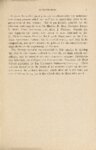
Show FUNDAMENTAL VISUALIZATIONS 23 discourse, because of the personal element, looms ahead as interest ing, and an important part of the printed page; the indirect ma terial (which is most necessary in order to explain, clarify, and direct) is put to one side and never impressed on the auditor. So we have elaborate impersonations of direct speech, while descrip tions and explanations are delivered as if they were of no worth at all. The pupil should practice to give exact value to indirect discourse and to combination of focus his attention these two on the forms of writing. relationship of the Pictures must be re-enacted in imagination before the reader. Stage visualized, directions, exits, and entrances should be treated as indirect dis course and carefully held up with dialogue when reading a play. In the interpretation of a drama many platform artists feel that it is necessary to walk across a stage when just the statement, and sometimes just a look of the eye, is sufficient to show the entry or exit of a character. It is far less distracting to the auditor to see the impersonation from the standpoint of the spectator. scenes I once Juliet." attended the debut of a young reader in "Romeo and She was clad in a flowing robe of white cheese cloth and long blond wig-I suppose .after the manner of Juliet. At every exit, entrance, or announcement of character, she would drop from the most florid of presentation to abject, apologetic com monplace. When she agonized the death of poor Juliet, kneeling on the floor sobbing: "Yea noise? Then I'll be brief. 0 happy dagger I This is thy sheath; there rest and let me die," she stabbed herself wildly, most realistically, then she suddenly rose to her feet, saying in the most commonplace manner as if joyful at her own death, and with that inane elocutionary smile, "Falls on Romeo's body and dies." She made a deep curtsy, and retired amid the applause of the audience. The beautiful tragedy had never touched the skin! Such treatment is really nothing more nor less than burlesque, since the purpose of burlesque is to make ridiculous by means of exaggeration. But even burlesque must be felt, notwithstanding the feeling is necessarily overdone. What a sad commentary it is on our methods when we realize that only few recognize a burlesque when it is given, many audiences mistaking the exaggeration for serious elocutionary efforts! wore a f |