| OCR Text |
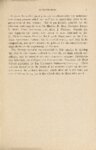
Show 36 HANDBOOK FOR TEACHERS OF INTERPRETATION curing a background, and will provide that thing which is so fund of experience from sary in interpreting the printed page-a neces which to draw. Overaction. or voice or always feels an impulse, never attempts merely an effect, and it is doubtful if either One who strives to produce action will become artificial or unnatural. Overaction is It al produced by trained people, from a natural impulse. or as in the case of the "old ways springs from a forced imitation, man" from Riley's "Old Man and Jim," we have a character who is unused to expressing himself in language, but accustomed to find He is pot sure how much meaning his relief in bodily activity. voice conveys, and therefore his body must duplicate the ideas. never But in elegant discourse, overaction is an insult to an audience. Such action suggests that the audience is so ignorant that it can not understand the meaning of the ideas and so must have them pantomimed. For this reason, good actors, used to reinforcing other speech with action, make poor "movie" actors; while on the the used to pantomime "movie" by story elaborating actors, hand, and by "close-ups," where any failure to register may be cut from the film, cannot handle the complex mental and physical machinery of the spoken drama. (The author does not like the adjective humble her in for judgment, the maimed, distorted, and "spoken," even "talkies" can ever be called not disproportioned "movies," is either right or wrong, good action the the On stage, dramas). damned by what is .done. or is actor the and or bad, glorified "Be not too tame neither." Weak, anemic gesture Tameness. is the worse of the two evils. It is better to overdo, for that may be pared down, but it is difficult to put pep into a limp body. We We must have life-under control always. must have vitality. use the mirror in preparing their work; they will to students Urge laugh-but no teacher is as valuable as our own reflection, where Students laugh because they we can see ourselves as others see us. but rather as a flatterer. as a the mirror of think do not critic, It was said of Eleanora Duse that there was never a semblance of in her action. Even she, of the beautiful hands, never machinery allowed her hands to be in evidence. directed to them. They Your attention were never even noticed. was never |