| OCR Text |
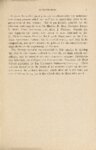
Show HANDBOOK FOR TEACHERS OF INTERPRETATION 18 musician, or painter can. The latter may hide entirely behind what is de pen. canvas, notes, manded by interpretation, the reader must test his silent studies and In order to understand or oral practice by communicating them to If he finds can he be no sure an audience. occasion to make clear and of his accomplishment? even impress hearers, how The end of all art is ac The end of interpretation is to deliver the emotional complishment. mental "goods" to someone. communication must be The embarrassment incident to real overcome before there the willingness, the can freedom. of joy in using be desire, interpret the author. Self-Consciousness. The pupil finds difficulty in permitting the entire personality to be his medium of expression. The reader must lay open his entire emotional, mental, and physical processes to his hearers. Natural modesty, and the natural hiding ego gets in the reader's way. By repeated practice the speaker can overcome his self-consciousness by allowing the "will" to make himself, his entire personality, an instrument to be played upon by the author's "in herent cause." This can be accomplished only through abandoned effort to give to others, to make clear to others, to impress upon others, what the author gives to him and impresses upon him. The joy lies in the power to do this. It will not come in a minute, an hour, or in a lifetime. Like all art it is ever growing-never at speech; this means even a one's gifts to tained-That Is Art. There are abnormal cases where students suffer mental and emo tional conflicts, which they do not understand, but which will pro duce such a tenseness as will prevent their permitting themselves to face the demands of the moment. They cannot "let go," and their inhibitions should be treated by specialists. How to Overcome Fear. Clark and Chamberlin contend, also, of all reading and makes for the full The timid student will forget his fear as soon as he wills to man. give himself entirely to the subject, whick he must do if one would 2 really translate into experiences." that "The will is the 2 cause Clark and Chamberlin, Principles of Vocal Expression-Scott, Foresman and Co" Chicago, 1897. |