| OCR Text |
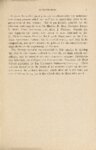
Show 108 HANDBOOK FOR TEACHERS OF Cuttings. INTERPRETATION When studying cuttings from plays or long selections it is very important that the cutting be given the same value that it had in the entire play or drama. For instance, how many believe that Polonius was a fine, wise old man because the he gave to his son Laertes were learned out of the context? precepts They were good moral. principles. How many were so shocked to find the idol shat tered and the old man was a pompous, egotistical, foolish, dishonest, sycophantic meddler. He had learned these memory gems-just as we learn them in Sunday School-and delivered them to Laertes just as we recited them, with no impression, meaning, belief, or ex perience behind them. Laertes knew that his father was an old wind-bag, and that there was no real experience back of these fine sounding phrases. He was not influenced by such parrot-like repeti tion. Pupils should be taught the truth and to read this selection as Polonius would-in his value-"words, words, words." Is it not better to learn that even good things may mean nothing to a man unless he has experienced and lived them, than to believe that Polonius was a good man and suffer later when we learn the truth? In contrast, mark the bitter experience in Wolsey'S farewell. Here is a man who has almost reached his goal; his greatest ambition, to be Pope, is about to be when realized, by his own careless act sending the wrong paper to the king-he falls, from such a height! As great a man as Wolsey does not struggle with his fate as a smaller man would do. He sees that there is no hope, and out of his hard earned experience he would assist his young friend Cromwell. Here is advice that has life blood in it. It was learned in the costly school experience. practice reading Polonius' advice as he would have given it will train the student in discernment, and will serve as. a warning not to trust fine words; then to contrast the emotion which comes when one lives Wolsey's experience will make a boy or girl see clearly the lesson of a selfish, mistaken ambition, and they will feel the spiritual uplift and exaltation which comes from true greatness-greatness that can rise superior even to the greatest of life's disappointments, greatness that can soar above a calamity of To more terrible than death itself. Such reading will be true character building. Do not allow your pupils to leave any bit of literature without |