| OCR Text |
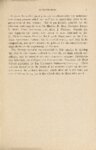
Show lOS SEVENTH AIM: VALUES Interpretation conveys so much more can wisely be sired the text to be read! than the dead page, that many of the explanations eliminated in the oral interpretation. For instance, "King Robert crossed both hands upon his breast And meekly said,"The action of crossing the hands should come on what he said. . Many have a habit of making different values on very small details; this mars the meaning very much, and tends to throw un important ideas out of proportion. For instance, in the "Sorrow of Rohab": "Wherefore this," he cried, "is Rohab counted now so light, His servants seek his face unbidden?" In places like this the "he saids ," and so the same value as the words of the entire this value will make the detail or on, should be carried in paragraph. minor idea stand out To change more In prose, where there is neither meter the meaning demands. than nor length of line to consider, cut out all the "he saids" and "she saids." Direct discourse will also be carried in the same mood as the indirect when it is not worth differentiating, when it is of little or no value, and when the reader has no desire to impress so small a detail upon the audience. "This is well illustrated in 'King Robert of Sicily.' It makes no difference in this particular poem how the A nd consequently, it sexton uttered the words, 'Who is there?' them to would be a mistake any very significant atmosphere." give (I question Mr. Clark's use of the term "atmosphere" in this con nection. It would have been more correct had he used the term of fact the words are really equiva lent to indirect discourse; expression would convey the same meaning to the listener if read, 'asking who was within.' value or mood.) "As a matter the " But later in the poem "When the Angel met him on the way, And half in earnest, half in jest, would say, * 1 How to Teach Reading. * * 1 |