| OCR Text |
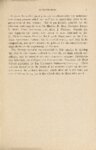
Show 33 ACTION body, every position which is held for a time, of the eye, mouth, head, trunk, legs, and arms, are also gestures, for they all tell a story. The fundamentai attitude, from which all variations are de veloped, should be a finely-poised, erect body. Such a posture will give confidence to both speaker and auditor. This attitude must be if "active" and on the easy, weight on one foot-on the forward back foot if "passive." A fine carriage may be cultivated by holding the ears high. This will give the head a poise while the chest and time every posture of the length of . back are easily relaxed and will prevent a stiffness in the posture. walking, to the platform, and stopping on step-without closing or changing the feet-and balance with weight either on the front or back foot as the mood demands. This is so simple and will do away with all exercises for feet positions, and unnatural attitudinizing. Make a good stance a habit. Weight. The change of weight from forward to back or back to forward, or a step, or movement, should be made to mark changes. Practice the students in a . of idea, lapses of time, variation of place, or mood. This is the way to the audience, the paragraph, the chapter, and so on. we mark, The greater the difference in time, place, or idea, the more elaborate the movement, and vice entire platform. versa. Beware of pacing, and covering an A definite motivated step is much more impressive than a mile of rambling. Make all actions tell. Ayres. Alfred Ayres, in his usual laconic style, has given us the and most im summa summarum of the theory of action: The first portant thing to do is to learn to do nothing-to keep still, firmly on the feet; without any dropping of the to stand hips, letting the hands fall where the attraction of gravitation will take them. "This position is least in favor with the tyro. He persists in fre in quently changing the position of his feet, in dropping in the hips, his trousers' in or his on his behind hands his hips, back, putting in his pockets; in putting his thumbs in his waistcoat pockets, or carries one he his in or if wears sword-hilt, clutching one, belt, if he which the but in thing, he right -in short, doing everything persists is, I repeat, to keep still in the position described. "N 0 other one thing so quickly betrays the novice as fidgeting, and fumbling, and trying to hide the hands; no other one thing |