| OCR Text |
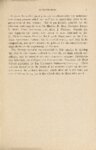
Show GENERAL SUGGESTIONS TO THE INSTRUCTOR solo 55 affair. Poor reading by both teachers and pupils is so com mon, that it is seldom conceived that an idea may be better under stood through the ears and eyes than from the printed page. It ridiculous, that as soon as anyone begins to read, the members of the class put their noses into their books to follow, and what is still more ridiculous, that has been the only way they can get any understanding of what is being read. classes should be made into laboratories for the practice Speech and hearing of the spoken word. To do this, both the teacher and the students will aim to make as ideal an atmosphere as possible is indeed so that there may be real communication. The greatest freedom must exist without license. Choice of Literature. In selecting literary material the in by using, first, direct rather than indirect discourse-something concrete and tangible. I t is easier to feel vicariously, and to put one's self into the place of someone else, than it is to attempt to move others with an abstract theme. It is also easier to forget one's self by becoming someone else. Moreover, prose is the best medium for the beginning stu dent. Lead the class from the simple, concrete, tangible, to the co mpl ex abstract, imaginary, poetic. Every selection should be thosen for a definite purpose, and with a specific aim for the stu dent. Hunting for "new selections," with no other idea than en tertainment, is unpedagogical, and the teacher cannot expect to get good results from such a course. The idea of choosing ma terial for the public platform is also unacademic, and has no place structor will secure the best results , in the schoolroom unless the student has covered all the field of interpretation, and is prepared to give public' readings. The good teacher has neither Hothouse Forcing. time nor inclination for the bizarre and unusual-to tickle the palates of to-be-amused-public (see I, Chapter 3). material, however, should be interesting, and if the student does well in class, he will receive development by being allowed to appear before larger groups than those found in the schoolroom. But to prepare a Part The deliberately high school or junior college students for public plat form will estrange students who need these courses badly, and who would court the training from speech classes only that they |