| OCR Text |
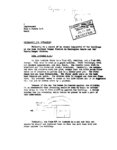
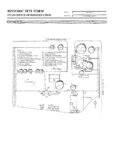
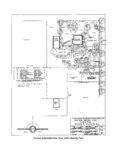
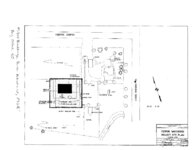
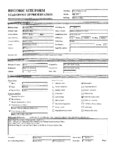
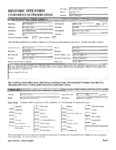
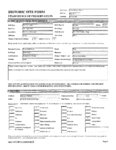
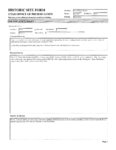
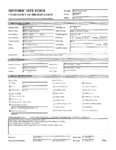
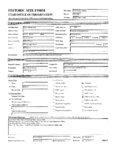
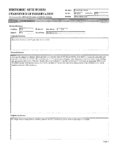
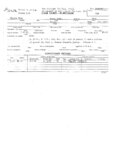
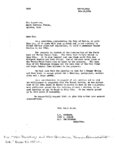
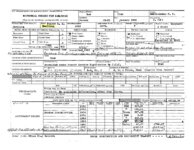
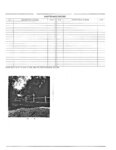
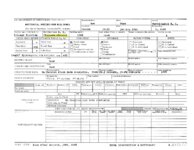
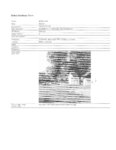
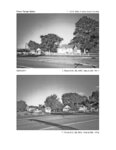
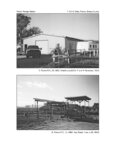
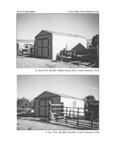
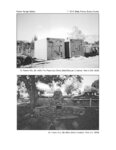
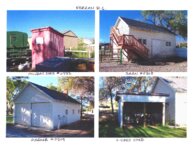
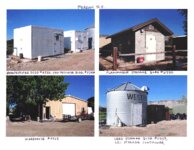
Show made it "necessary to haul in great quantities of material and do much other heavy work." Other site 7 improvements included a one-acre pasture, a corral, concrete walks, fences, and a flagpole. Over the years, the Ferron Ranger Station {Heritage Site No. ML-4955} lost its equipment shed but gained new buildings, while existing ones were remodeled to meet ever-changing needs. Following is a description of past and present buildings; Unless noted otherwise, information is from the "Descriptive Sheet, Improvement Plan, Ferron Ranger Station" and from the Forest Service engineering database {Infra}. Historic Buildings: 1. Dwelling {#0205, formerly #1112}: The CCC built the house in 1936 for $3,710, following a modified version of the R4 Plan 1 dwelling. CCC Camp engineer L. A. Conyers recommended several changes, including the enclosure of the sun porch off the living room and the addition of a bedroom, furnace 8 room, wash room, and drying room in the basement. The decision to install a coal-fired furnace led to the elimination of the fireplace and its adjacent built-in bookcase. When regional architect George L. Nichols inspected the site in 1936, he noted the building was 90% complete and had a bedroom, storeroom, laundry, and coal/furnace room in the basement. He also wrote, "The ECW limit on this building has not been exceeded and for this and because of the fine job that they are getting generally, we wish to congratulate the Manti.',9 Upon completion, the dwelling had plaster walls at the basement and some halls, while the remaining walls were lined with Firtex. They were finished with plastic paint, a textured product, colored "tan with a golden tint" except at the bedrooms, which had a "pink tint." The basement walls were white and the oak floors and trim varnished. The house received numerous improvements over the years. Regional architect Wilden Moffett prepared a kitchen remodeling plan in 1968 that called for replacement of the cabinets and sink, installation of additional cabinets, expansion of the dining alcove, an acoustical tile ceiling, and new linoleum.lO In 1977, he drew plans calling for replacement of the windows and installation of ll aluminum siding, soffits, fascia, gutters, and downspouts. A contractor carried out the work later 12 that year, covering the building's original novelty siding. Quarters agreements indicate district ranger John Niebergall was the last ranger to live in the site, remaining there until approximately 1988. The District now uses the dwelling to house seasonal employees. 2. Bunkhouse {#0210, formerly #1117 and #1203}: In 1936, the CCC finished an R4 Plan 51B office for $3,201. Like the house, it had Firtex walls and varnished hardwood floors. During his 1936 inspection, George Nichols noted the building would have a "used toilet and lavatory fixture" in its toilet room.13 The small building became crowded by 1964 when it accommodated a ranger, assistant ranger, clerk, 7 "Descriptive Sheet, Improvement Plan, Ferron Ranger Station." 8 L. A. Conyers, Engineer, to Regional Forester (Attn: George L. Nichols), February 5, 1936, File: "7300 Buildings, Ferron Admin Site," MLNF Eng Office . . 9 George L. Nichols, Memorandum for Operation, July 1, 1936. 10 Wilden Moffett, "R4 Plan 1, Scheme 28, Kitchen Remodel, Ferron Dwelling," 1968, Historic Building Plans Collection, R4 History Collection . 11 Wilden Moffett, I/R4 Plan 1, Scheme 30, Ferron Dwelling Remodel, Aluminum Siding and Window Replacement," 1977, Historic Building Plans Collection, R4 History Collection. 12 D. C. Braegger, Contracting Officer, to Triple E, Inc., September 1, 1977, File: 1/7300 Buildings, Ferron Admin Site," MLNF Eng Office. 13 George L. Nichols, Memorandum for Operation, July 1, 1936. 3 |