| OCR Text |
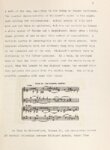
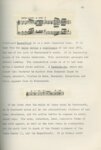
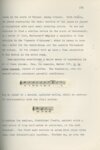
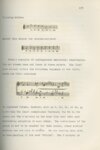
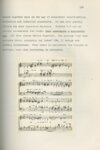
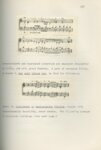
Show 308 " teenth century loved thos massed effects and that polychora style, of In second half of the seventeenth century and the wql the whic Benevoli's Festival eghteenth tives of became century wer still the Palestrina style noticeable. polyphonic writing. two be is found in Rome a a imp0rtant rpresenta Variations show the of complx the was style $Q-called and It is illustrated by selected piecs of and the Bolognese master, Perti. music of the Bolognese and Neapolitan schools style of the trapsition style between homophonic Bernaeis, Corsi, the Roman major e.xampl, Characteristic of the time pieno legato modeQ, the to Mass oomposition. sense was The derived from Scarlatti's motets already of form of the eighteenth century. He wrote genuine fugues in tpe modern sense, and very ingenious free and ,forms, which vagqely, remind Jomelli led The I IVenice / I is style. sonat. The Flemish been as Dqrante threshold of the Mozart style. to the Rpmano little known before the pre-Flemish period. (after 1527). school the the Ventian school developed parallel d'Arcal motets of cesco has right up to of one The traced, the 1506 influence growth with the and still cling to the Fran- faux bourdon invaded Venice with Willaert development of Venetian music evolution Of such trade-mark doubechoir technique, the of the treatment of melodies I as brilliant horizontal effects, rich euphony, lel entries as coloristic devices, of several voices in specifically Venetian traits, (Flchenbehandlung), and chromaticism. C1prian as well de Rore as the full, The may be color paral counted effeots |