| OCR Text |
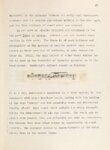
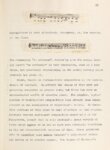
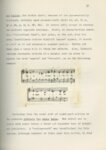
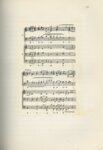
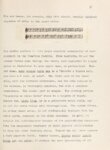
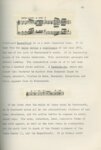
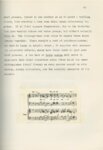
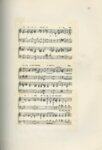
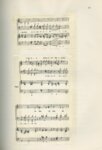
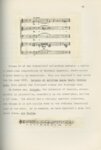
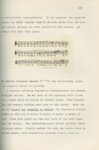
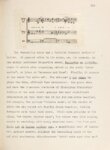
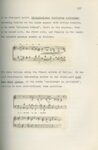
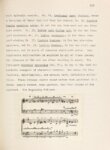
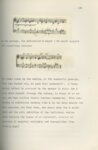
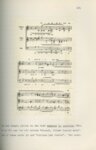
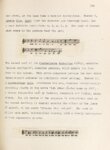
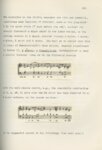
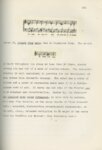
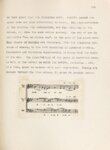
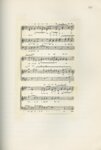
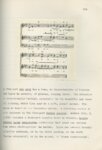
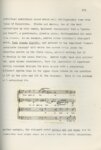
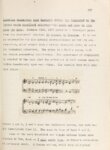
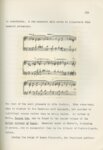
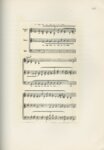
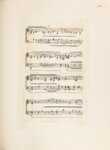
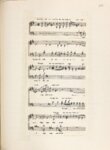
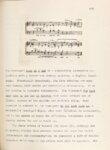
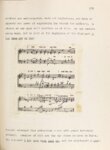
Show 295 ecclesiastical muc to a more direct, tene warm livelier personal feeling, to crate a than the feeble, stereotyped music of his time was able to do. understood this, s,olving sight of There the works "Liszt of is course Liszt (which schoo". works were the Liszt were will we discuss) and those entirely in the oratorio. history in the were Of his included whereas the works of the motet; motets, all his motets; the. is one is from hi very fewo are 'Worthy in the most The of to sacred German composers, rare sense. of the To!. Hugo Wolf, on There a psalm, His simple more importapt and the the simple two Pate,r nostr work for four intricately Gon (not ecclesiastical) vocql other than Cornelius, are are them outweighs a dozen good motet$ Alexander Ritter's opus 41 is one; important piece therin DY! ein of the examples of exceptional value howeve, note; each ordinary his nChristusfl• The contributions music by recent most short pieces" part male chorus, and the other, much structed, the Liszt's activity is Qf litte field of the mass, real as of church composer; a hymn Ave mari stella is the best known. may be in only "sacr-ad compos i tonn and not genud.ne ecclesiastical appurtenances. importanc also considerable difference between intended for saored use, younger writers creations The young Cornelius problem with refined arttic a was church is the twelve-part WQl the bin ieh several four-part sacred songs by texs by Eichendorff, and finally Richard Str?uss' sixteen-part hymn, Jakob, verlorner ££hU. While Wolf's |