| OCR Text |
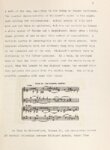
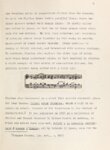
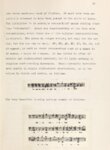
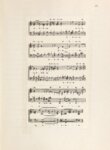
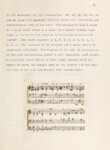
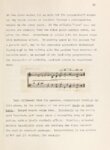
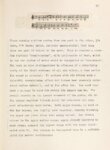
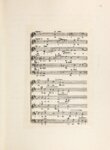
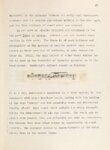
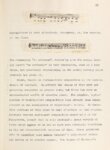
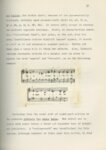
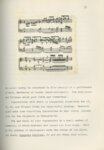
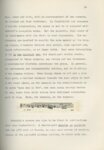
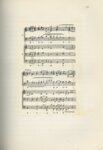
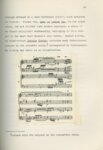
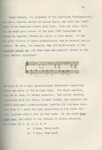
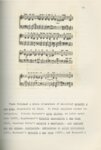
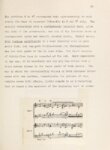
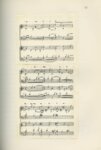
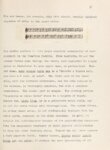
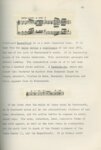
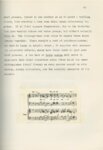
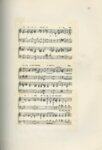
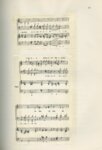
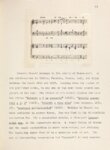
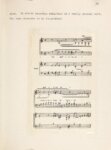
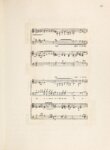
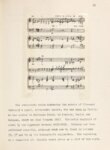
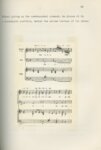
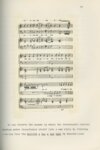
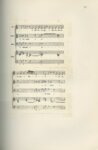
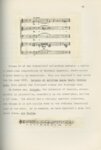
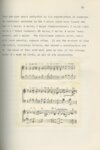
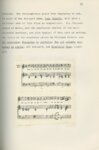
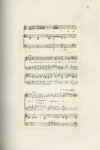
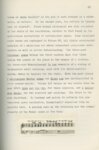
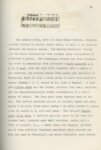
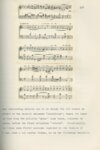
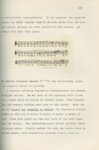
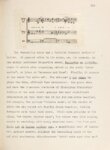
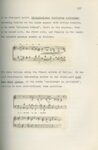
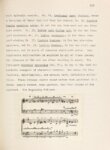
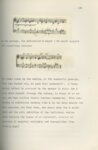
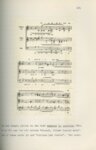
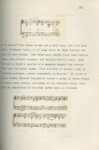
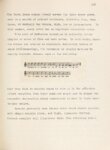
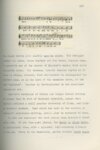
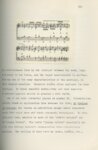
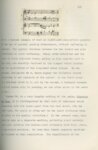
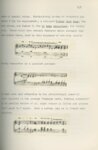
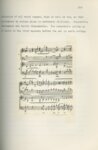
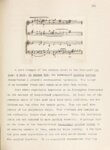
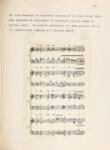
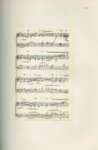
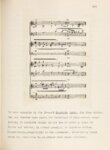
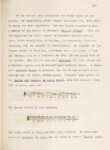
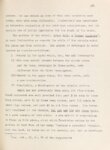
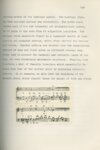
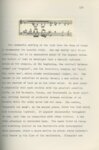
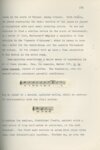
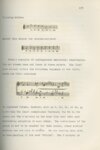
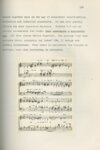
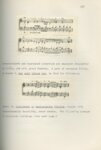
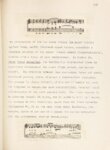
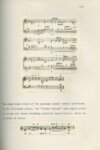
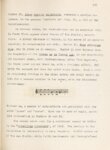
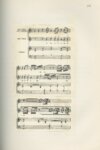
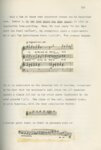
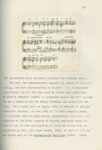
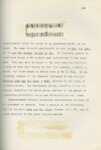
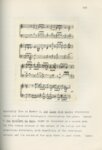
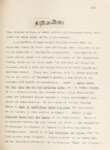
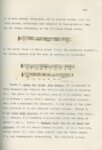
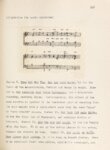
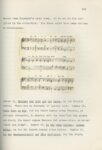
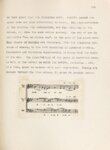
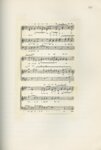
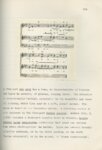
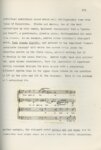
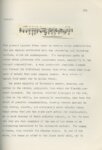
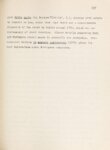
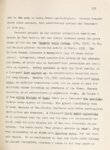
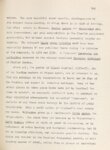
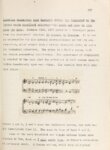
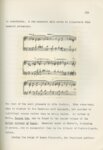
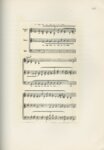
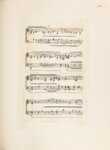
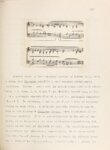
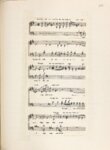
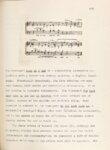
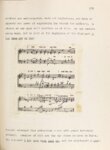
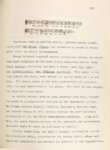
Show 275 anthem. phonic he- fivpart H.ear .mx praxer belongs tQ those somewhat longer anthems wnich mix polyphonic and sect1on, while favor;lng and at the was at the be gf.nnfng end. When the music polyphonic section a nomophonic once Restortio ended the Puritan regim, again alowd to develop freely, change occurred. Charles II had a predilection a and sacred stylist!G for French ideas; he inflo,enoed the church style "by sending gifted young musicians to Fance and Italy to study. Thus school which reely employed French and Italian situation Which reminds musical in its history us of The cantata pure form. Humphry, an erlier a element, a Ln the. case gradally crowdeo Wise and Blow created was were c ount.ry ' s out the motet, the masters favored by Charles X. '_ w must speak ;ft1rst of John Blow, his examples gives Q.QQ us is are closest to the real motet stYle. several gopd anthem cf this typeo o_ur hope and traits, Purcells tE?8cher, sinc for example The n th following passage, with its strik de scr Lpt Lve bas s -Li.ne large Leaps bb-C#e-g#, and the (at CJ:1oss...,rlations + ), or its c'-d#-d in oprao:l lIn his is,tqry Q.[. Walker shows that a eight-part strength as interesting madr-Lga l t s tic ing chord sequence s and the Boyce (II) characteristic a numbf includes Mus ic in }#hglap& (p 0 340 f.) Erne 53 t predilection for cross relat0nsh1ps was feature of contemporary English music. He a of interesting examples. |