| OCR Text |
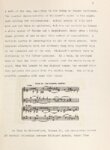
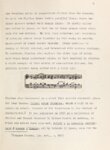
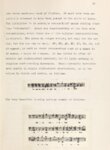
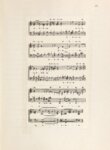
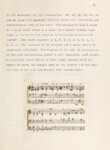
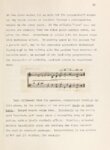
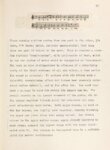
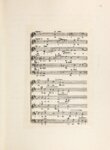
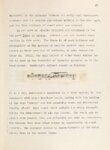
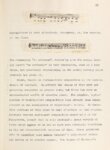
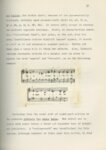
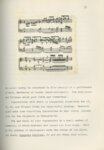
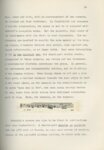
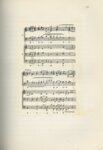
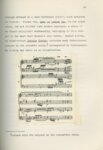
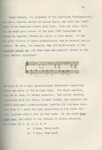
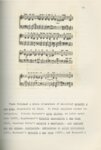
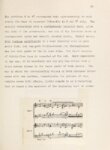
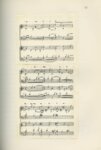
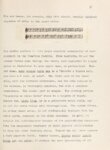
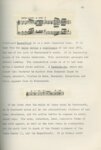
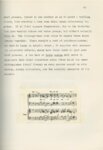
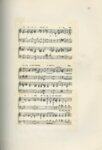
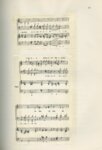
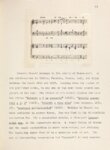
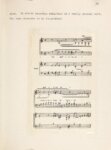
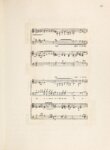
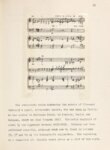
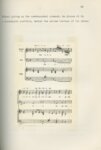
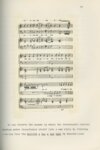
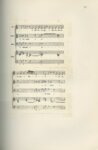
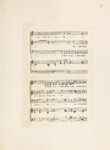
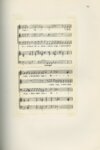
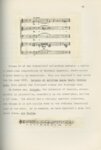
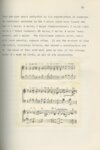
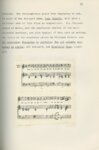
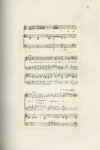
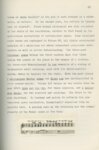
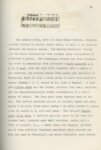
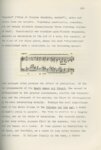
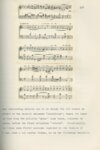
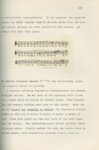
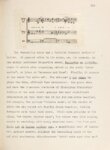
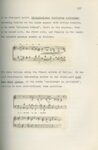
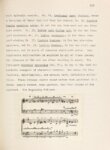
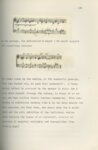
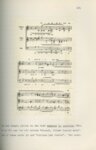
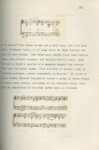
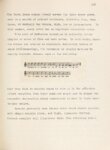
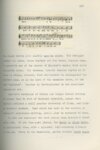
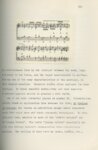
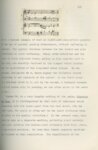
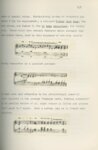
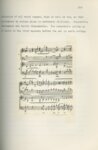
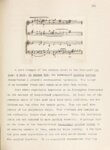
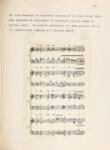
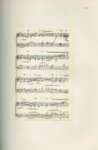
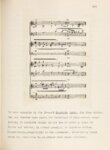
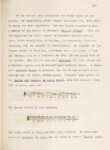
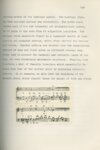
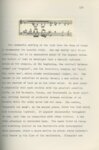
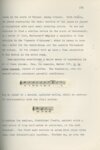
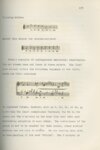
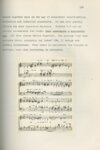
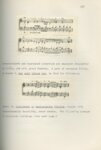
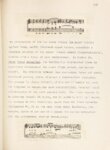
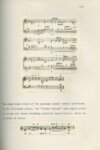
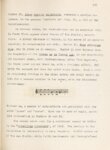
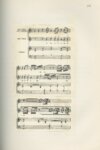
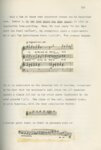
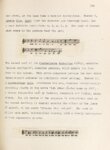
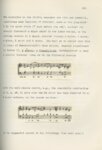
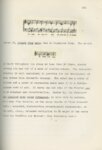
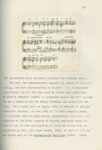
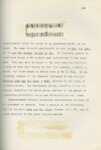
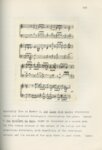
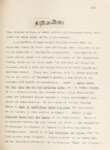
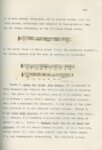
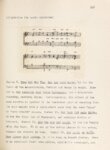
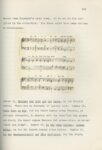
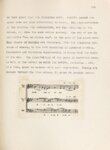
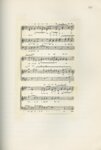
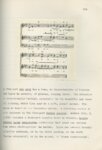
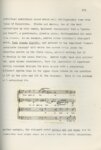
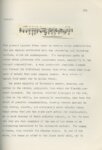
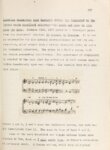
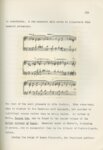
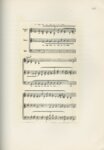
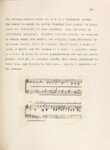
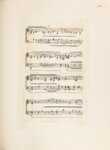
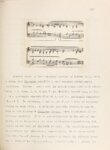
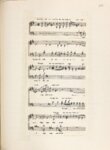
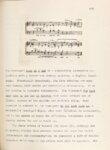
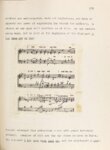
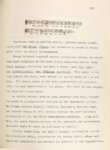
Show 31 restrict not to himself two first \ attaiqed already eight voices in A The after one the two tenors, in the first eight barse Gabrieli keeps closely together (as he frequently did), voices preserving four double-lines, which radiate by ordinary fruitful would be and tremndous development of sound is thus ures other in basses, pair of achieved is beginning each not I then two sopranos, finally two altoso enter voices The already unorthodoxo pairs: his groups surprising effectivenesso novel ways with ! but it, A meanso for study of splendor a these eight musician,--who might any meas- well heed \ octave the leaps here and there, and the separation of the voice-pairs, is beginning with of f each voices three or as companied by the two new basses times, over to division the it up. rondo and variationo of the of jubilation with ma The altos, passages of four genuine eight-part counter The two counter-melodies. take two the to $opranos exchanged with passages At the time, however, Subsequently, antiphonal beginning. given This two the again, or the at times, are fiveo even point takes over; observed, The section of nine regular fivepart a counter-voiceso new several by from transferred is vOices, followed octave in certain placeso an again ("Jubilate Deo"). re-enters theme as thrE;le upper voices pause, whereupon the first theme the bars; much as double-choirs into opening theme tenors, once Finally, in form therefore An extended coda je s t i,c sounds of joy. enters again the ac- last part, approaches that this hymn crowns For is splendor, |