| OCR Text |
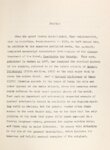
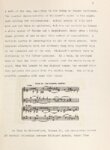
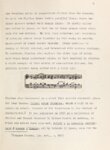
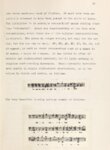
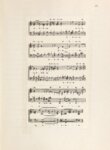
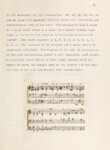
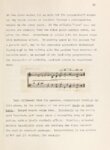
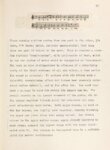
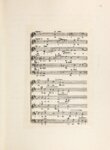
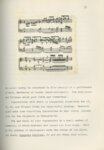
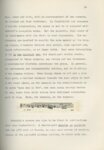
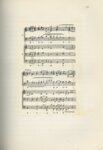
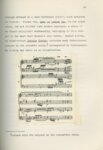
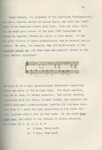
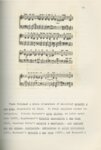
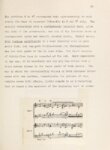
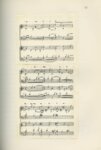
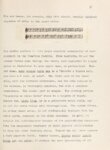
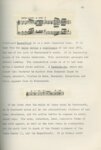
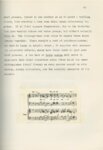
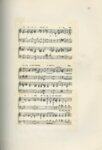
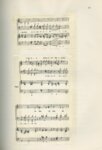
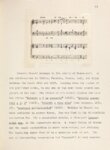
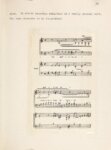
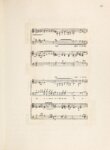
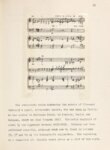
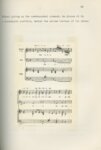
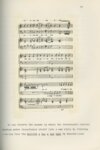
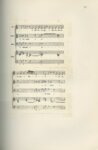
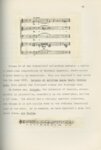
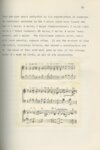
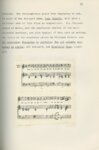
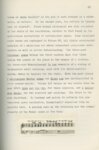
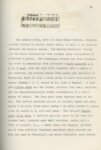
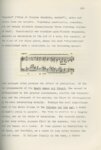
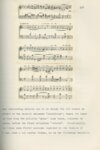
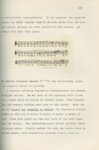
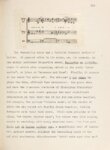
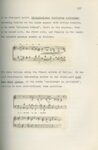
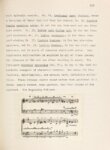
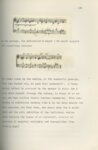
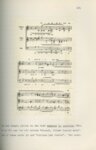
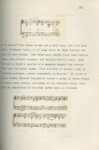
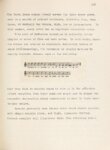
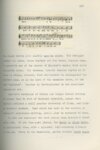
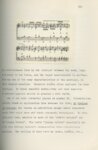
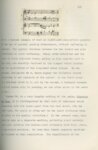
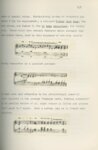
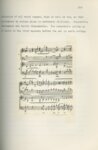
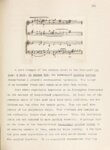
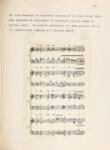
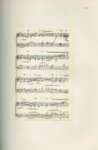
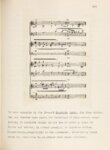
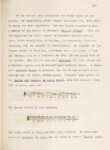
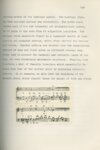
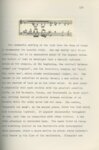
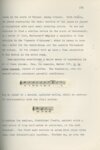
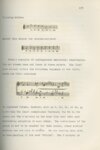
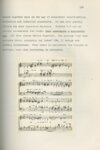
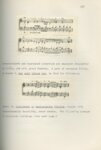
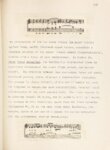
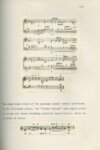
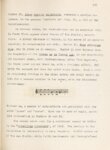
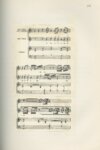
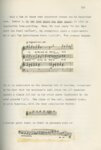
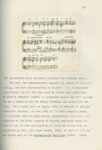
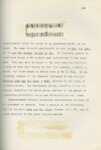
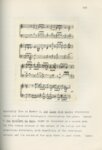
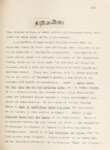
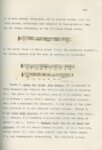
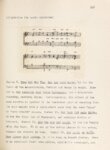
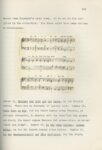
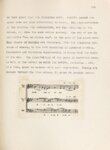
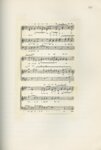
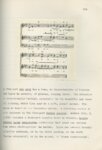
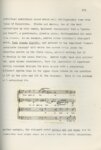
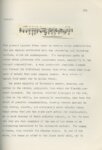
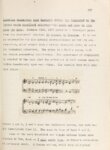
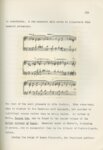
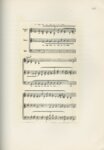
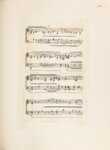
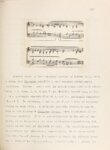
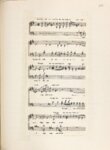
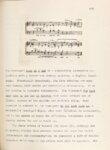
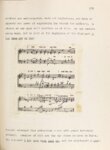
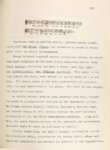
Show lOI three-art Trlsti tia, vestra vert-etur as'a nOble,mastr, its ,composer fies resembles 1ece the The q?fhaimer him5elfo , for Lns t r-umerit.s is postlude t with several char mf.ng libo I., and s case in 'and a The Isaak and exception, with Adam five-bar , new'e1tions1 is epre$nted The majority 1542', Sac!orum HymnoruID, colleetion of mostly motet5tyle hymn arrangements. ar e hYmn-me lody is given in augmerrt a tiop. to t.he l of Lied, Helnrich F1ck, four-part motet-in derived from 'Rhaw' are way similar a worked are very the of great master The 1 Finck, SenfI, antus firmus is, by Instrumental parts von Fuldac which identi of the Germah Lied. of One is eminded of dis€;ant the ;n secular Lieder i!1 gaudum, imitative motives tenor, derived, ths giving the are The from which structure I Still continuity. togical melodies, chiefly in Ifee ctual of the bearers more the important is the unfolding of upper voices, which and mood feeling are the Senrl also loved this. ' I tyle 9nd of Lik Senfl, Finck wrote noble, compositlono beautiful melody, flowing warmly in the speak of textual epression may hardly The whole effect rst$ on tender fio:riturao in its narrower One senseo th contrast between the lightly i 4rawn, I he fluid melodic firmus cantus ince it is not Ipublisbed eluded 1s a 0' line The an4 the held notes carrtus (or chords) always remains recognizable, out-weighed by counter-voices, thematic index of the Fnck (p 107 ff.) ften as by Eitner, Publlkationen, Vol. VII ' of .. occurs Also in= other known church works by |