| OCR Text |
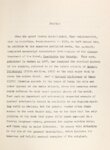
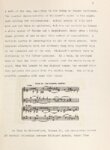
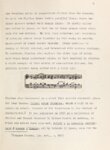
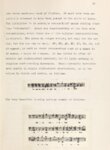
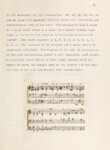
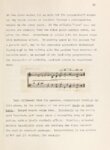
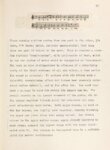
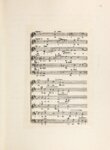
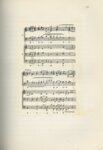
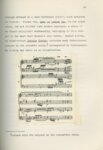
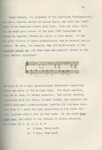
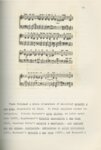
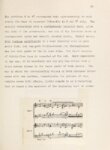
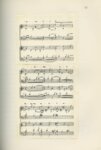
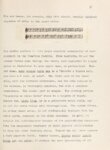
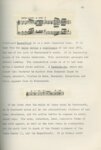
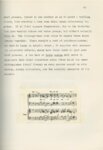
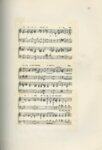
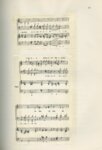
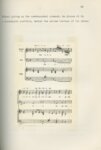
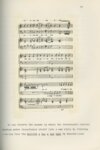
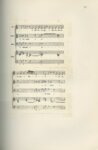
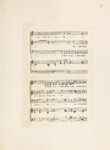
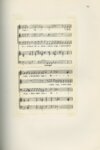
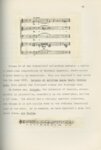
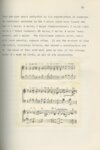
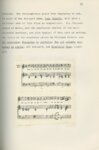
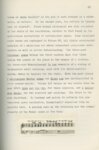
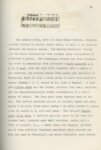
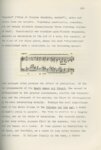
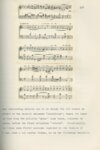
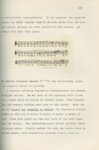
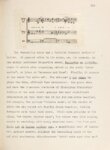
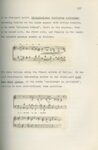
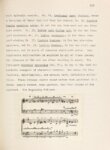
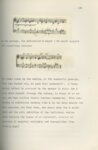
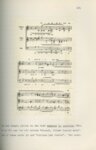
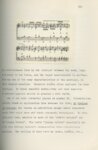
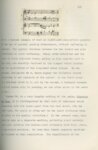
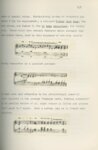
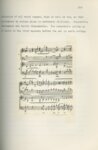
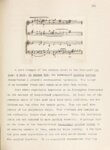
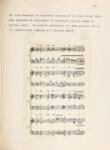
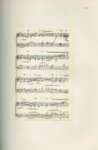
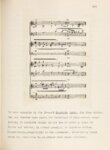
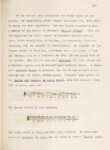
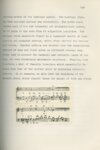
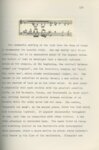
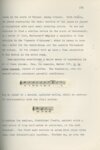
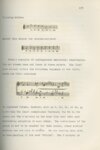
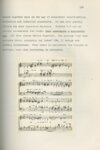
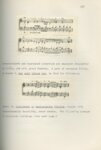
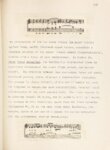
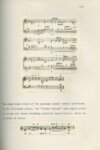
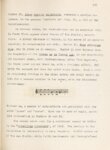
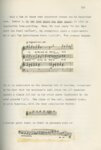
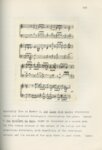
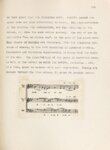
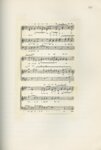
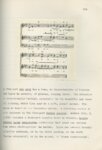
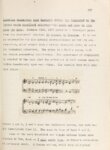
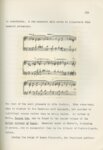
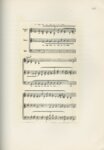
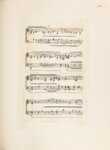
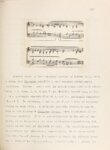
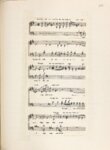
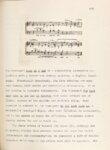
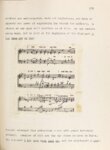
Show 302 classicist I simple, \ Ithe of the almost style. new hoophonic manner, mlody and took precidenee complicated polyphonio ;an individua works I pieces in othes, top vpic carr1ed without next step: he 'which signified The I palysis prove this. were the leaq:p decisively highwater mark At for the this same time e em Jakob de Hobrecht, Pres. The ted manner during the techniqije in general. (see Chap4r III) motet he m0st important members established by tbee masters. a arrived at heightened up-tty aI+d st:rit a 3qpart canonic of his Joaquin of. th canoic writig with virtuosic dexteri4Y, Heinrich Isaak, Brumel and $ carried out through tbe wboe was logic tough the entire compositlon of as definite m9tive a Ockeghem, Thus wa$ 8<;:hieved ployed th art well s \ \ very a i which each voice is wrtten rel imtative stye, which musical faOric. the over the parts. following school, took the both in which the entity, but uually ,running thrqugh all. a He wrote of this Oekeghm school Pierre de la motet form Until about nfnetee'pth cerrtury , was 1600, the Rue, Antonius definitelY and in a limi-' motet remained short, polyphonic sacred piece, which empoyed a new motive for each sct:Lon of th text developed throughout b,y all of the voices. a mixture of prpfundis; Ch,riste, For special trenchant effects, these masters used homophonio and polyphoniq' sections (Is;aak, Br ume L, Ludc;lte 0min\lm; Josquin, _A,ve Maria, Av all tre.ated above). :like motive, whi,qh beoame in the later de fleish motet a lsaak had a preference for fol."" dominant feature of the tnrnes He also employed tone pa1nting,... |