| OCR Text |
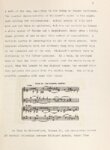
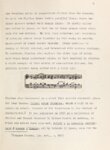
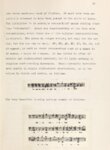
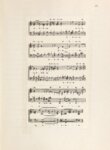
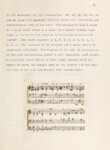
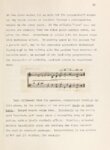
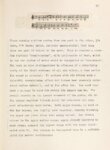
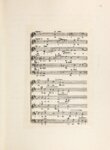
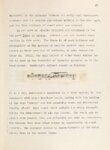
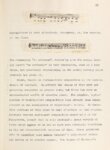
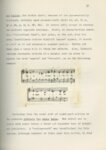
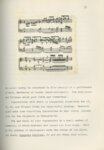
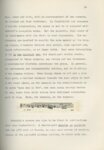
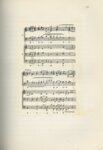
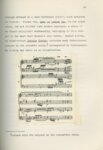
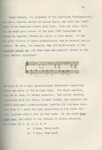
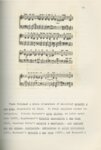
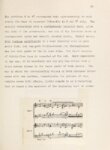
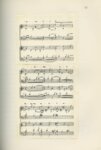
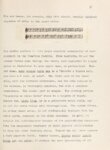
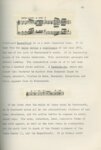
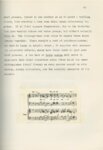
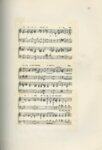
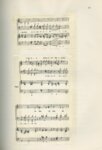
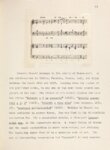
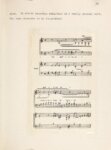
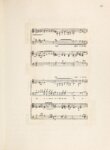
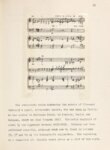
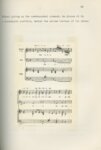
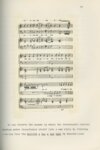
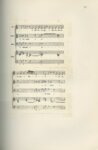
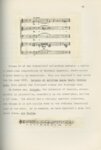
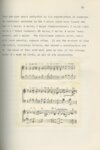
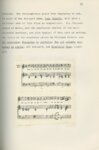
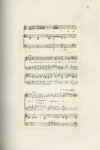
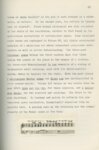
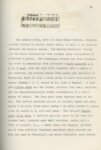
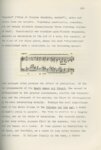
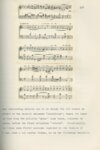
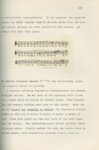
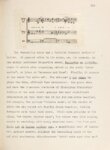
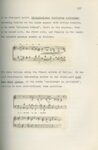
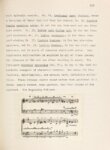
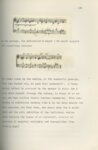
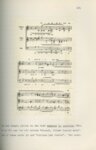
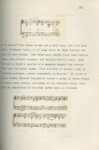
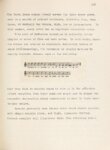
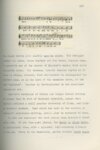
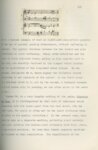
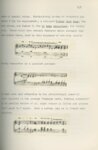
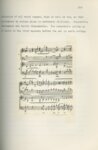
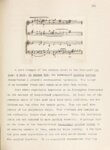
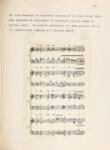
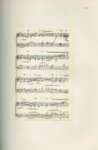
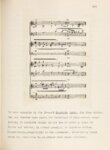
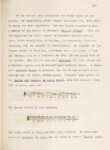
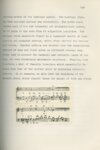
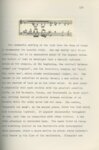
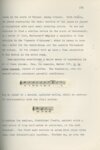
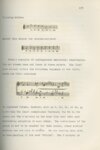
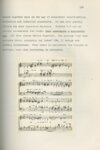
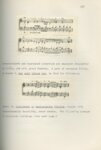
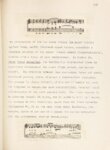
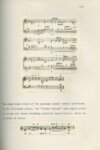
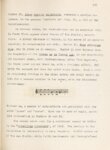
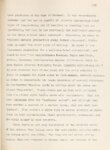
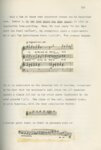
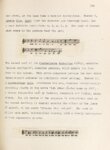
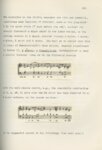
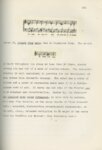
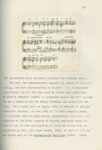
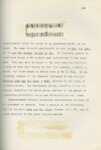
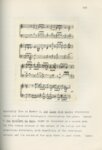
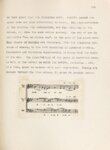
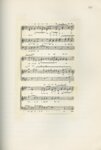
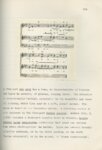
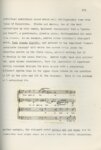
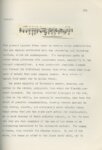
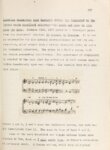
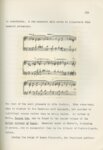
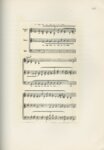
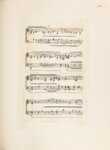
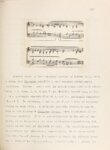
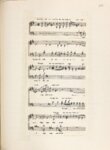
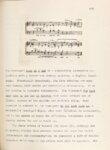
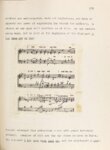
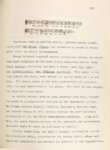
Show 241 lines, choirs, or what It 0 c pia, 0 are four-part the ito This 0 piece dulcis basic an climax is is magi sunt in is the in the middle of Italian and German sixteenth century collections, greater pre.,. passae the and ve • find Burney (III, a 267), sound master, Dominicus Phinot, of his excellently famous.l very french the in as characteristics of this composition A some other, virgo Maria", shortly before stellam elegiac anqI, choir one great tenderness; indeed, tenderness Videntes with the Especially beautiful four-part Domine quid multinlicati a Brilliant occasional uniting of all thee group imitates one l.amamus" preceeds possesses geniality Flemish composerso fro the alternation of the motive from clemens, endo the derive from the passage "ad te pared by .A of another; frequently, the HO case effects powerful to in the as ,works 0 is Three Lamentationes emia, Sancta whose works n Lyon, represented as appered well as in Commer in by large" eight-part compositions, trinitas, Jam ll.Ql1 dicam YQ.§.. I servos, exhibit full mastery of the Venetian polychoral style, as are Willaert, developed manner The 0 choirs in for example, cultivated in the first Lamentationes, major section dialogue-fashion; there , is ito in Selected sonorities completely Venetian a dlstibuted betweeri follows the movement for a I choir of four high VOices, and finally lIt has ]rimi tif_s" VOices, a and another composite section for for a choir all of parts, to one four low in genuine appeared in the Anthologie des maitres Paris, Schola Cantorum, editecr-by Charlesreligieux Bordes. |