| OCR Text |
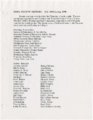
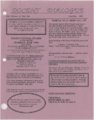
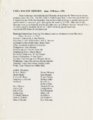
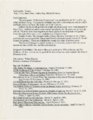
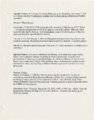
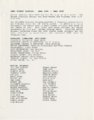
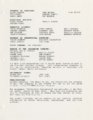
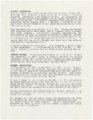
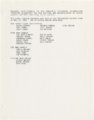
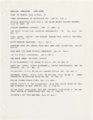
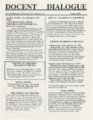
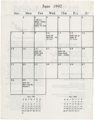
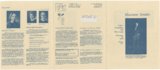
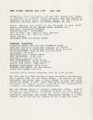
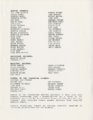
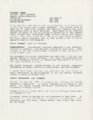
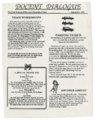
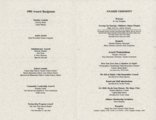
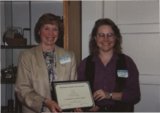
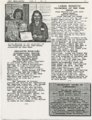
Show .t ( !Mim), 1990 1{'E:M'E:M'B'E~ .. TJ{'£1{'E 'WILL 'B'E 'J{O 'DOC'E'J{'T :M'E'E'TI'l{(j 2fQ2!...'DOC'E'J{'TC.L.f4SS S'ESS IO'J{ O'J{:MYl'Y 10! MEDIEVAL STUDY GROUP -FALL -1990 THE BOOK ORDER FOR THOSE WHO HA VE SIGNED UP FOR THE MEDIEVAL STUDY GROUP AND INDICATED WHICH BOOKS THEY WOULD LIKE, will be in at the Kings English ( 1511 South 1500 East, 484-9100) by mid - July. We will also have a book of xeroxed readings similar to the book of readings for the Greek Study Group. You can pay for the books when you pick them up. To be picked up at the King's English by you in midJuly: Chaucer - Canterbury Tales Dante - The Divine Comedy Gnfemo, Purgatorio, Paradisio). To be picked up at the Museum: - (will be ready by July 1): xeroxed readings, Medieval If you have any questions as to which books you signed up for, please call the Education Department ( 581-3580). The classes will begin Thursday, October 11, at 1:00 p.m.. You can pick up a syllabus at the Museum Education Dept. July 1 andthereafter. EGYPTIAN PASTE: A self-glazing ceramic ware, first produced in ancient Egypt. It is sometimes called Egyptian Faience. It probably consisted of clays, some soda ash or other sodium salts, and pulverized copper ore. Tiles, figures and simple pottery were produced by 3200 BC. DOCENT COUNCIL AWARDS LUNCHEON THURSDAY, JUNE 7,1990 12:00NOON FT. DOUGLAS-HIDDEN VALLEY COUNTRY CLUB, 2 MEDICAL DRIVE (across the street north from the University Hospital and new Primary Children's Hospital) . Thanks to Gladys Bader, Docent Council Hospitali- ty Chair, our annual luncheon will be wonderful! You will receive a personal invitation soon. Here is the menu: 12:00 noon Fruit punch and wine served 12:30 Luncheon served: Cream of Broccoli Soup Chunky Chicken Salad with Fruit Rolls and butter Carrot Cake Choice of Beverage The cost per person will be $12.00. Please res your place by sending/bringing your check (made to The Utah Museum of Fine Arts Education Department Utah Museum of Fine Arts University of Utah Salt Lake City, UT 84112 DEFINITION OF CERAMICS: The art of making objects of clay and firing them in a kiln. Vessels and sculpture can be made of earthenware and porcelain clays. Ceramic wares can be decorated with slip (the clay body material diluted to a liquid), engobe (heavy slip with oxides added for color), or glaze (liquid oxides and minerals with glass which vitrifies upon firing and makes the clay body waterproof). Clay objects are made by the process of handbuilding or molding. Hand-building processes include slab method, coil method, potter's wheel, or any combination. Molds for objects are filled with liquid clay which dries in the mold before firing. Leatherhard: clay object air dried, can be decorated, scratched, glazed. Bisquit: clay object fired once before decorating: - RECENT FIRES SYMPOSIUM: APRIL 28TH |