| OCR Text |
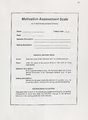
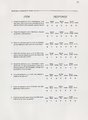
Show REFERENCES Althouse, R. B., Jenson, W. R., Likins, M., & Morgan, D. P. (1999). Get ‘em on task: A computer signaling program to teach attending and self-management skills. Longmont, CO: Sopris West. Brantley, D. C., & Webster, R. E. (1993). Use of an independent group contingency management system in a regular classroom setting. Psychology in the Schools 30 60-65. Carr, E. G., Levin, L., McConnachie, G., Carlson, J. I., Kemp, D. C., & Smith, C. (1994). Communication-based intervention for problem behavior: A user's guide for producing positive change. Baltimore, MD: Paul H. Brookes. Charles, C. M. (1992). Building classroom discipline. White Plains, NY: Longman. Cohen, J. J. (1993). Handbook of school-based interventions: Resolving student problems and promoting healthy educational environments. San Francisco: Jossey-Bass. Cooper, J. 0., Heron, T. E., & Heward, W. L. (1987). analysis. New York: Macmillan. lied behavior Day, H. M., Homer, R. H., & O'Neill, R E. (1994). Multiple functions of problem behaviors: Assessment and intervention. Journal of Applied Behavior Analysis, 27, 278-289. Durand, V. M., & Crimmins, D. (1992). The motivation assessment scale administration guide. Topeka, KS: Monaco Associates. Gardner, R, Sainato, D. M., Cooper, J. 0., Heron, T. E., Heward, W. L., Eshleman, J., and Grossi, T. A. (1994) (Eds). Behavior analvsis in education: Focus on measurably superior instruction. Pacific Grove, CA: Brooks/Cole. Grandy, S. E., & Peck, S. M. (1997). The use of fiinctional assessment and self-management with a first grader. Child and Familv Behavior TherapV. 19. 29-43. |