| OCR Text |
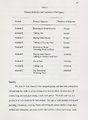
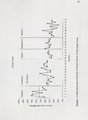
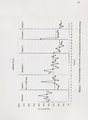
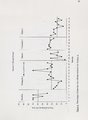
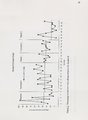
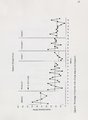
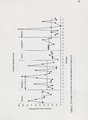
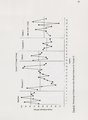
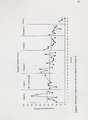
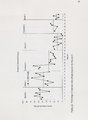
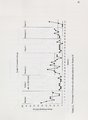
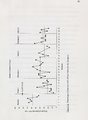
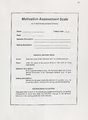
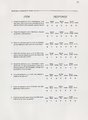
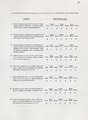
Show 2I thought the procedures made a difference and which condition was more effective at reducing inappropriate classroom behavior (matching reward or nonmatching reward). Disign A multiple treatment design was used. This design is a variation of a reversal design. The first phase was a baseline phase in which there was no group contingency in effect. The second phase applied the group contingency with a matched reinforcer for the attention group and a nonmatched reinforcer for the escape group. The next phase implemented the group contingency in a similar matter, except that the attention group received a nonmatched reinforcer and the escape group received a matched reinforcer. The match and no match phases were repeated across both groups. The final phase employed the most effective strategy for each group. Counterbalancing was used to help minimize sequence efl‘ects. Procedures Functional Assessment The fimctional assessment consisted of up to three elements for each participant. These were teacher questionnaires, direct observation of participants, and environmental manipulations. The teacher questionnaire was the Motivation Assessment Scale (MAS; Durand & Crimmins, 1992) (see Appendix A). This is a 16item questionnaire in which each item asks the teacher (or caregiver) to rate the likelihood of the child exhibiting problem behavior in a given situation. Each question is given a rating of zero through six, and each rating is recorded under the correct |