| OCR Text |
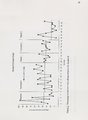
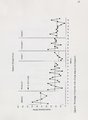
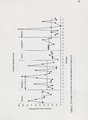
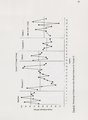
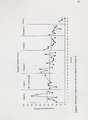
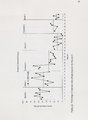
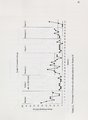
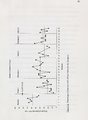
Show 48 disabilities), the participants in this study may have needed more instruction on the procedures than an occasional reminder. The participants may have needed to be told the condition at the begirming of every session instead ofjust the sessions in which the reward changed, so that they could clearly distinguish what would happen if they did or did not earn the reward (Kazdin, 1982). It could also be true that the differences were not greater for the matched reward condition because even though the primary fimctions of behavior were identified for each participant, there could have been other important fimctions as well. The functional assessment may have needed to be an ongoing process, instead ofjust occurring at the beginning of the study (Carr et al., 1994). This could have caused the so-called nonmatching reward to be a fairly effective reinforcer that helped increase on-task behavior. Additionally, larger differences may not have been seen in the escape group between conditions because the nonmatching reward may have matched their primary function. The nonmatched reward (time with the teacher) also provided escape for this group. Weaknesses of StudV There are several weaknesses that can be found in this study. The first weakness is that environmental manipulations were only completed with one participant. The fimctional analysis portion of the functional assessment was not completed with each participant because it seemed that there was a clearly matched function following the questionnaire and the observations. However, fimctional analysis may have led to different conclusions about the primary function of behavior. |