| OCR Text |
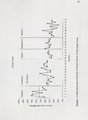
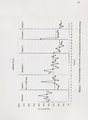
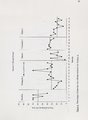
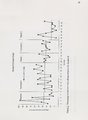
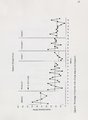
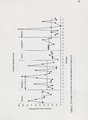
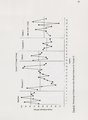
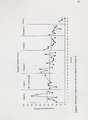
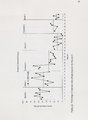
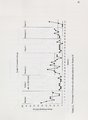
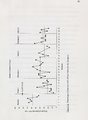
Show 27 and placed a star on the group chart to indicate to each group if all members were on- task. In order to earn the star, each member ofthe gr0up had to be engaged in on-task behavior. Each group had a chart where the total number of stars they were required to earn was displayed. If the group earned the required amount of stars during the session, they were then provided with a reward. Based on teacher observation, rewards were based on items that were readily available in the classroom (games, toys, and activities). There were eight opportunities in the variable schedule of reinforcement, and the time between signals varied from 56 seconds to 1 minute and 52 seconds. The number of stars the group was required to earn during each session in order to get the reward was based on the average percentage of intervals of off-task behavior for each group during baseline while considering the participants with the highest rates of ofil task behavior. This was done to help insure that all members ofthe group could achieve the established criterion. The Escape Group was required to earn at least four stars (50% on-task), and the Attention Group was required to earn at least five stars (63% on-task). Nonmatching reward. In the nonmatching condition, the reinforcement was unrelated to the primary fiinction of the students' behaviors within that group. For example, the students in the Escape Group received a reward that was attention-based, a game and time to talk with the teacher. If they did not earn the reward, they simply returned to normal classroom activities. There was no additional work ifthey did not earn the nonmatching reward. The students in the Attention Group earned a reward |