| OCR Text |
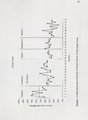
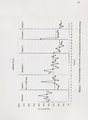
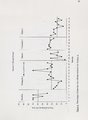
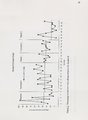
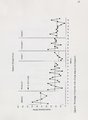
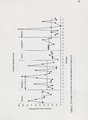
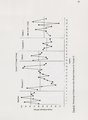
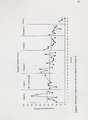
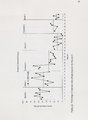
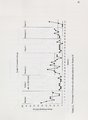
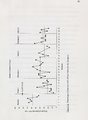
Show 26 group ofparticipants was placed at one of two separate collections of desks with the other members of their group. Individual data and a group average were obtained on the percentage of intervals in which the participants were engaging in off-task behavior. Baseline data were taken for a sufficient number of sessions to establish stable rates of behavior. Group Reinforcement Contingencies The students worked to earn their group a reward that was based upon on-task behavior. A simple version of a point system was used as the reinforcement system in all group contingency sessions. Each group worked to become "Super Stars." Following baseline, the reward system was explained to the participants. They were told that they were working in their groups to earn "Super Stars" and that in order to earn the star, everyone in their group had to be working when the beeper sounded. They were shown the chart where the stars would be placed and how many stars they had to earn in order to get a reward at the conclusion of the session. Each group was then told what reward they would be working towards. Every time the group contingency condition was switched, they were informed that they would be working for a different reward, and that reward was explained. A variable schedule of reinforcement was used in conjunction with a computer signaling system The variable schedule was used because the time between the signals would differ; therefore the participants would not learn to predict when the signal was coming. When the signal sounded, the staff member that was assigned to the group contingency implementation quickly observed each student in both groups |