| OCR Text |
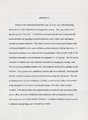
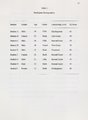
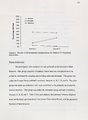
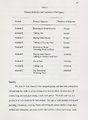
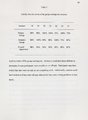
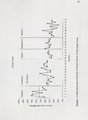
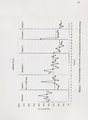
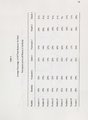
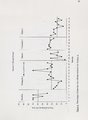
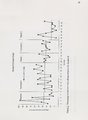
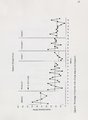
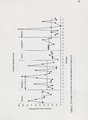
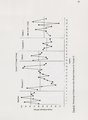
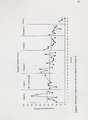
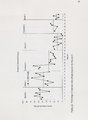
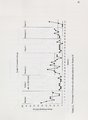
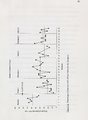
Show RESULTS Data were mainly analyzed on a group average basis to determine when phase changes should occur. The daily group average data are displayed in Figures 2 and 3. Data analyses were conducted by visual inspection. Changes in level, trend, and stability were assessed across adjacent phases. Table 4 displays each student's average off-task behavior for each phase ofthe study. One quantitative measure that was used was change in the mean performance across phases. However, this was done with careful consideration of all of the other visual inspection characteristics. Visual inspection was important, because phases with opposite trends in the data could have the same mean line. Additionally, data for each individual participant were analyzed using the same criteria as the group data. Data for off-task behavior are presented graphically for each participant in Figures 4 through 12. In determining if the matched reward was superior to the nonmatched reward, careful inspection ofthe data is required. The matched reward condition appeared to be slightly more effective with the Escape Group as a whole (see Figure 2). However the data for the individual students in that group must be analyzed (see Table 3 and Figures 4 through 8). For Students A, C, and D the matched reward did appear to be more effective in reducing off-task behavior than the nonmatched reward when looking at mean performance. Student B's off-task behavior continually improved over time with the group contingency in effect. |