| OCR Text |
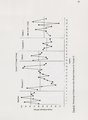
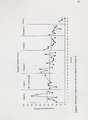
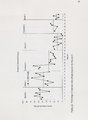
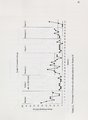
Show 14 education student in a first grade classroom. Northrup et a]. (1994) demonstrated the effectiveness of using functional assessment with five students with severe behavior problems. The behavior plans that resulted from the functional assessment were effective in reducing problem behaviors. Follow-up probes showed that the results were maintained for at least 18 months. Another study investigated using functional assessment with students with severe intellectual disabilities who exhibited problem behaviors. In this situation the assessment information was used to train the participants in functional communication, and the procedures were effective in reducing problem behaviors related to escaping tasks and obtaining preferred tangible items (Day, Homer, & O'Neill, 1994). Once a filnction ofthe problem behavior has been established, it is possible to determine if a group reinforcement contingency will be more effective when the reinforcement matches the fimction ofthe behavior. The purpose of this research study was to determine if an interdependent group-oriented reinforcement contingency was more effective when the reinforcement matched the fiinction of the problem behavior ofthe students in the group. Currently, there is no literature available that examines group contingencies and reinforcement that matches or does not match the functions of problem behavior. The primary research question was whether interdependent group contingencies would be more effective in reducing inappropriate classroom behavior when the reinforcers used were matched to the function of students' problem behaviors. |