| OCR Text |
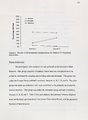
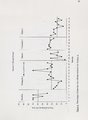
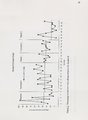
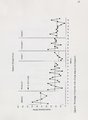
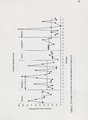
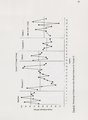
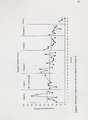
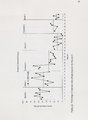
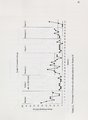
Show 10 The advantages of using an interdependent group-oriented reinforcement contingency are similar to those for using the other types of group contingencies. This type of contingency allows the teacher to administer one reward to an entire group, thus saving time and resources. This is also another good system to use when there is a need to reduce a large number of inappropriate classroom behaviors (Cooper et al., 1987). Another positive aspect of an interdependent group contingency is potential positive peer pressure and encouragement for everyone in the group. This could also be a negative aspect of interdependent group contingencies. This type of group system may also be difficult for some children because they are not able to achieve the criteria and thus they prevent the group from earning the reward and become scapegoats for the group (Charles, 1992). Peer pressure could be negative and threatening in this type of contingency if a peer is perceived to be the one preventing the group from earning the reward (Cooper et al., 1987). Another negative aspect of the interdependent group-oriented reinforcement contingency is that more data collection may be required than for a dependent group contingency. The Role of Functional Assessment Group reinforcement contingencies are highly recommended classroom management strategies. These strategies enable teachers to more efficiently manage the behaviors of the whole class, can save time and money, and may be more effective in modifying group behavior than individual behavior management systems (Gresham & Gresham, 1982;Koh1er et al., 1995). Even though group contingencies are highly recommended, this type of management system does not always work for every child in a classroom, often frustrating teachers and students. |