| OCR Text |
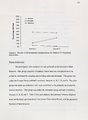
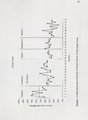
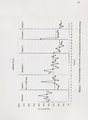
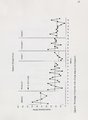
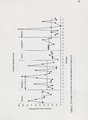
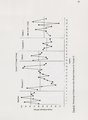
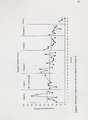
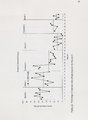
Show 23 In one case (Student E) the function of the behavior was not clear after the completion ofthe questionnaire and observation. In this case, certain aspects ofthe environment were manipulated in order to assess their effects on this participant's behaviors (Neef & Iwata, 1994). There were three situations used in environmental manipulations. The first was a neutral situation in which the student was allowed to play a game and talk with the assistant, which was something he liked to do. The second was a situation to assess escaping work, consisting of giving the student work that was difficult for him and having the assistant stay away unless he raised his hand to request help. Ifthe student did not do the work or began doing something else (in other words avoiding or escaping the work) he was allowed to just continue escaping the work. The third situation was to assess gaining teacher attention. The attention condition consisted of giving the student work that was fairly easy (at a practice level), and then when the student was off-task or engaged in inappropriate behavior, the assistant gave him attention by redirecting him to his work and talking to him. The consequence for 011‘task behavior in this situation was teacher attention. While the assistant conducted the situation, the researcher gathered on and offtask behavior information. The sessions were each 15 minutes in length with 90 ten« second intervals. Two sessions of each condition were conducted in a random order. At the conclusion of the six manipulation sessions, the researchers concluded that Student E was most likely motivated by escaping and avoiding tasks. Figure 1 displays the results ofthe environmental manipulations for Student E. |