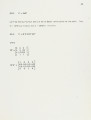
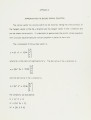
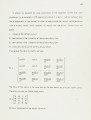
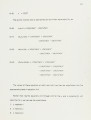
| OCR Text |
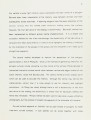
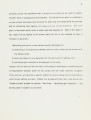
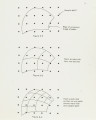
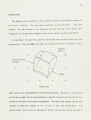
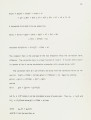
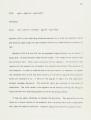
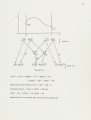
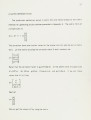
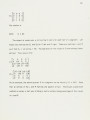
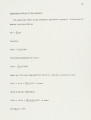
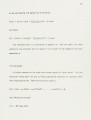
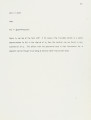
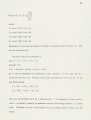
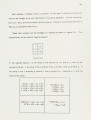
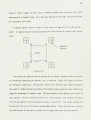
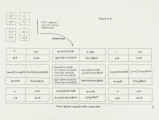
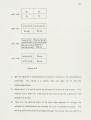
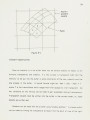
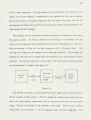
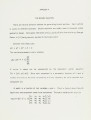
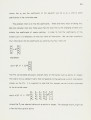
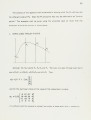
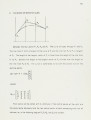
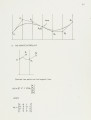
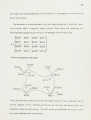
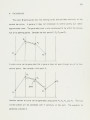
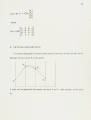
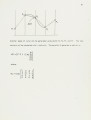
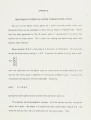
Show 54 where the au are the coefficients of the equation just as a, b, c, and d were coefficients in the univariate case. The problem then is to find the coefficients. There are many ways of doing this. We shall consider here only those ways that are local, that is, the changing of data only affects the coefficients of nearby patches. In order to find the coefficients of the simple cubic it is necessary to have four items of information. We can then transform that information into the coefficients by some four-by-four matrix M. therefore x(l) - [I' t' 1 1) M ] The PI's can be some physically relevant items of information such as points or slopes. The matrix M is a constant matrix that corresponds to the particular kind of information chosen as the Pi·s. It is important to note that this concept can be trivially extended to the bivariate case: where the Pu are relevant data such as points or slopes. For example the PiJ might be a four-by-four grid of points. |