| OCR Text |
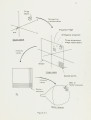
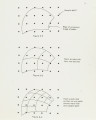
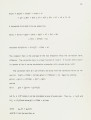
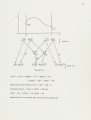
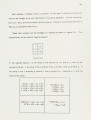
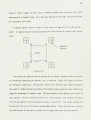
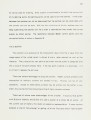
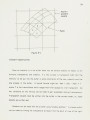
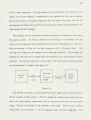
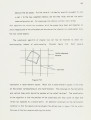
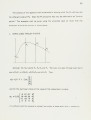
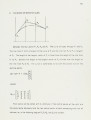
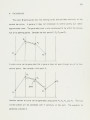
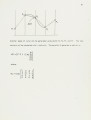
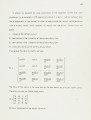
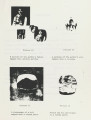
Show 48 obscure the old pieces. Put the value of I, divided by area (to unweight it) into 12, set I, to the new weighted intensity, set the area value, and set the patch code and direction bit. For displaying, the intensity will be 11-12*( l.-area). This algorithm has solved two problems: all of the pieces have been put together to the two visible objects. allow mapping and at the silhouettes and boundaries the intensity is a combination from The subdivision algorithm of chapter two can now be modified to allow for area-sampling instead of point-sampling. Consider figure 7-2. Each square raster-element square vertices Figure 7-2 represents a raster-element square. Recall that a raster-element square is the area on the screen corresponding to one raster-element. The crossings of the horizontal and vertical lines which bound the squares will be called "vertices." The modification to the algorithm is that the patches will be subdivided until they cover at most one vertex (as opposed to a sample-point). An additional constraint on the termination condition is that the approximating polygon (the dotted lines in figure 7-2) lie within the area of the four squares adjoining the vertex. |