| OCR Text |
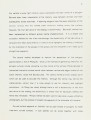
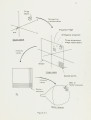
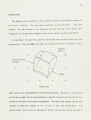
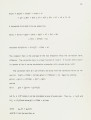
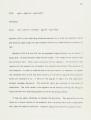
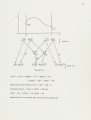
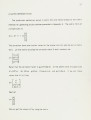
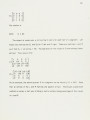
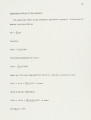
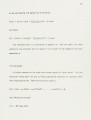
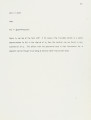
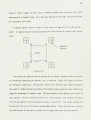
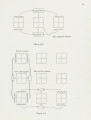
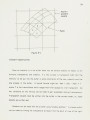
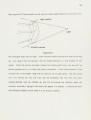
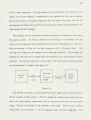
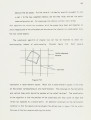
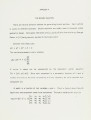
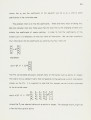
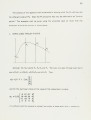
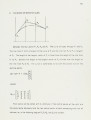
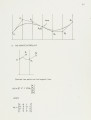
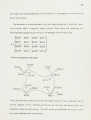
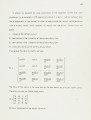
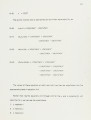
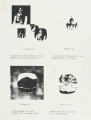
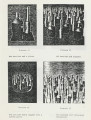
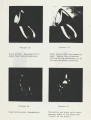
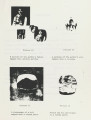
Show 42 result in high frequencies. The raster display can reproduce only low frequencies; the upper limit on the frequency is determined by the resolution of the raster display. During the process of sampling, frequencies that are higher than those that can be reproduced are "folded" back onto those that can be and become indistinguishable from them; hence the term "aliasing." "Anti-aliasing" will be used here to denote the process of reducing or eliminating the aliasing effects. An effective method for anti-aliasing is to eliminate from the image, prior to sampling, those components that cannot be reproduced or, in terms of signal processing, to filter out the high frequencies with a "low-pass filter." This filtering of an image could be thought of as a "smearing" operation. Sharp edges are smeared so that they are no longer sharp and therefore won't cause severe aliasing problems. The filtered image can then be sampled. The filtering and sampling process can be expressed in a diagram (see figure 7-1). Filtered or smeared image Original image samples rasterdisplay image filter Figure 7-1 One method of filtering is to "convolve" the original image with a "two-dimensional fourier window" or "box window." With this method we in effect take a "box" that can cover one raster-element square and is one unit high and put the box on the original image. The box is multiplied by the intensities in the image -- which results in zero's everywhere but at the box -- and the resulting values are then integrated. This |