| OCR Text |
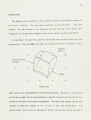
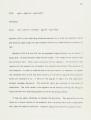
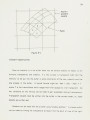
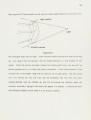
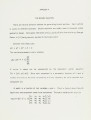
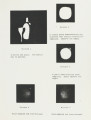
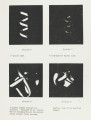
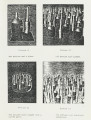
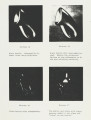
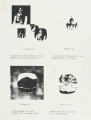
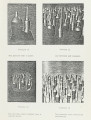
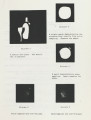
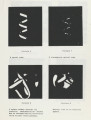
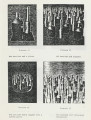
Show CHAPTER SEVEN SAMPLING, RASTERING, AND ALIASING There are some inherent limitations with using a raster-display. The raster display cannot produce images with clean sharp edges or small (compared to the raster-element size) detail. Unfortunately, these limitations frequently lead to disturbing visual effects. We shall try to explain here the nature of these limitations and show steps that can be taken to alleviate the undesirable effects, especially with regard to the subdivision algorithm. ALIASING There are two different kinds of unwanted visual effects that result when using a raster-display -- "aliasing" and "rastering." The first -- aliasing -- is used to denote effects that result from sampling. Five manifestations of aliasing are 1. A "staircase effect" appears at the silhouettes of objects. 2. Small objects fall between the sample points and disappear. 3. In a motion picture, the slow smooth movement of an object appears as discrete jumps. 4. An image of a picket fence or similar regular pattern causes a moire pattern to appear. 5. If a picture is mapped onto a surface then all of the above occur over the entire |