| OCR Text |
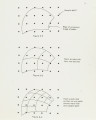
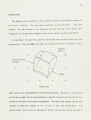
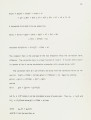
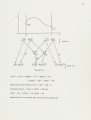
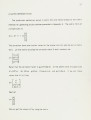
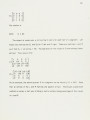
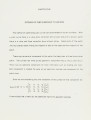
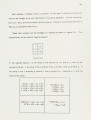
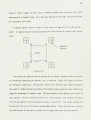
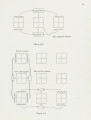
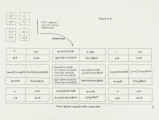
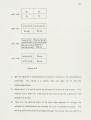
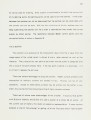
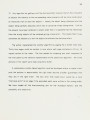
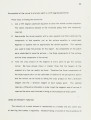
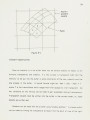
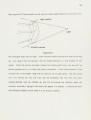
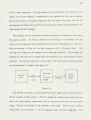
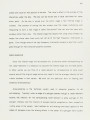
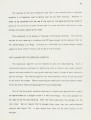
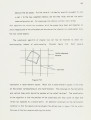
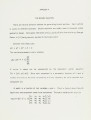
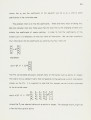
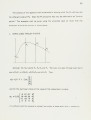
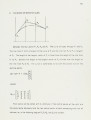
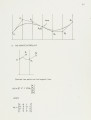
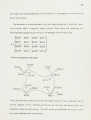
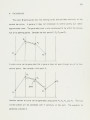
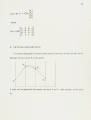
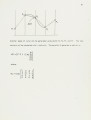
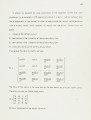
Show 27 It is important to note that the concept of level of subdivision still applies. This means that the correction terms must be adjusted each subdivision. One could think of each square as extending in two directions. When two squares are combined to create a new one then its correction terms in that direction are divided by four as required by the subdivision algorithm. The extension in the other direction is the same for the new square as for the two end ones and is unaffected by subdivision. This depth correction will be called "reduction." A full patch subdivision can be clarified with figure 4-5. The letters in the four small boxes represent the initial values in the register-squares. The next nine boxes depict the subsequent values in each register-square after subdivision. If the initial values of u and v are (0,0), (1,0), (1,1), and (0,1) then the initial square values are as shown in figure 4-6. PERSPECTIVE Perspective presents a problem for patch subdivision since the above method works only for components that are simple bicubics and the perspective transformation results in rational bicubics. In order to display a perspective view of a surface the mathematical definition of a patch must go through a perspective transformation which results in a surface equation of F(u,v) .. [X(u,v) Y(u,v) Z(u,v) W(u,v)]. W(u,v) is called the homogeneous coordinate [7,8] and is generated by the perspective transformation. Three ways of displaying a perspective surface are: |