| OCR Text |
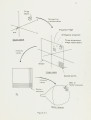
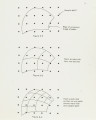
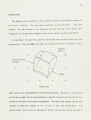
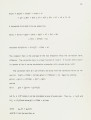
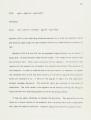
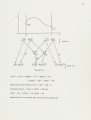
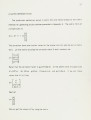
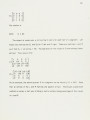
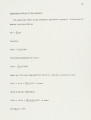
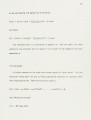
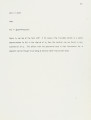
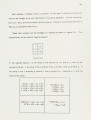
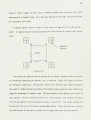
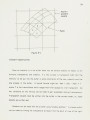
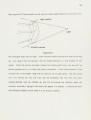
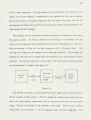
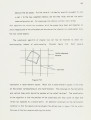
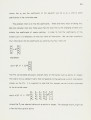
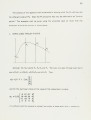
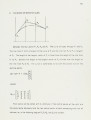
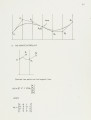
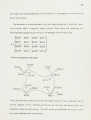
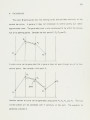
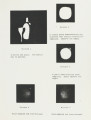
Show 43 yields one value for that position of the box. The value in effect is the average of the Intensities under the box. The box can be moved and a value calculated for some other point. As the box is moved over the entire image a new filtered image is created. The process of moving the box window over the image, multiplying, and integrating to form a new image is called "convolution" and can also be used with windows other than a box. The filtered image that results from using a box window no longer has sharp clean lines; much, but not all of the high frequency information is gone. Even though some of the high frequency information remains, a box filter is still good enough for most computer graphics purposes. AREA SAMPLING Since the filtered image will be sampled only at discrete points corresponding to the raster-elements it is necessary to calculate the filtered image only at those points. In other words, we can think of a raster-element as corresponding to some small square area of the original image and we only need to find the average intensity of the visible surfaces in that square. We shall call this particular form of filtering and sampling "area-sampling." Area-sampling is the technique usually used in computer graphics to do anti-aliasing. Typically, when an edge of a polygon passes through a raster-element square, the intensity for the corresponding raster-element is some average of the polygon intensity and the intensity of polygon behind, weighted by their respective visible areas in the square. Most methods for anti-aliasing have been applied at the edges of polygons since the aliasing effects in the center of a polygon have usually |