| OCR Text |
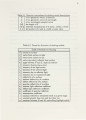
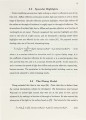
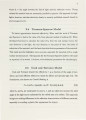
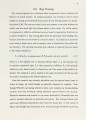
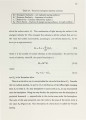
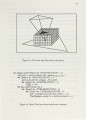
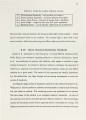
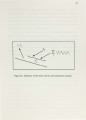
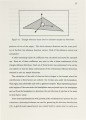
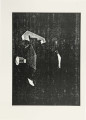
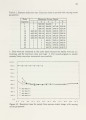
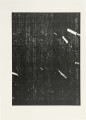
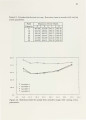
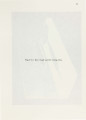
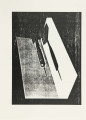
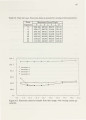
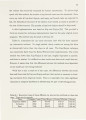
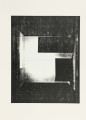
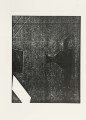
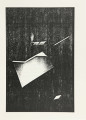
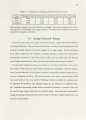
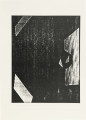
Show 58 magenta in the center rear, and cyan on the right front. The vase is placed on a white square surface - the colors on the square result from the colored light sources and their shadows. The glass has a neutral tint or dark coating, so it is darker than ordinary white glass. The yellow and magenta light source panels are reflected in the glass. The pale green background is actually a white wall, which is primarily illuminated by the cyan and yellow light sources. This image demonstrates soft shadows, where the colored light sources blend together to generate different hues in the shadows. Additionally, it shows the benefits of the final ray traced image, where the reflections of the light sources are visible in the glass of the vase. The multiple reflections in the vase and the Fresnel coefficient calculations are fundamental to the realistic appearance of the glass. 7.3 Cylinder with Caustic A simple model of a glass cylinder on a flat white surface is shown in Figure 7 .3. The light source is located to the right in the image, and panels are on either side of the cylinder, so that the only light which shows on the left side of the flat white surface has traveled through the cylinder. The glass cylinder has an index of refraction of 1.5. Light is concentrated on the left side of the flat white surface, due to the refraction characteristics of the glass cylinder. 7.4 Example Execution Times Summary Table 7.1 contains information on these test cases. The large numbers of reflected and refracted rays in the case of the vase caused the vase execution time to be much longer than the box data, even though the number of triangles in both cases were similar. |