| Title |
Interviews with Japanese in Utah: Grace Oshita |
| Alternative Title |
Grace Oshita: interviews on February 20, 21 and 26, 1985, and May 22 and 30, 1985 |
| Creator |
Oshita, Grace Fujimoto, 1925- |
| Contributor |
Kelen, Leslie G., 1949- |
| Publisher |
Digitized by J. Willard Marriott Library, University of Utah |
| Date |
1985-02-20; 1985-02-21; 1985-02-26; 1985-05-22; 1985-05-30 |
| Date Digital |
2014-05-07 |
| Access Rights |
I acknowledge and agree that all information I obtain as a result of accessing any oral history provided by the University of Utah's Marriott Library shall be used only for historical or scholarly or academic research purposes, and not for commercial purposes. I understand that any other use of the materials is not authorized by the University of Utah and may exceed the scope of permission granted to the University of Utah by the interviewer or interviewee. I may request permission for other uses, in writing to Special Collections at the Marriott Library, which the University of Utah may choose grant, in its sole discretion. I agree to defend, indemnify and hold the University of Utah and its Marriott Library harmless for and against any actions or claims that relate to my improper use of materials provided by the University of Utah. |
| Spatial Coverage |
San Francisco, San Francisco County, California, United States, http://sws.geonames.org/5391959/ ; Topaz Camp, Millard County, Utah, United States, http://sws.geonames.org/5548582/ |
| Subject |
Oshita, Grace Fujimoto, 1925- --Interviews; Japanese Americans--Utah--Interviews; Japanese Americans--Forced removal and internment, 1942-1945; Central Utah Relocation Center |
| Description |
Transcript (typescript, 174 pages) of a series of interviews with Grace Oshita, a Japanese-American living in Utah in 1985. Mrs. Oshita (b. 1925) speaks of her early life in San Francisco, her father's business ventures, and the Japanese relocations of World War II. Her family was interned at the Topaz, Utah, relocation center |
| Type |
Text |
| Genre |
oral histories (literary works) |
| Format |
application/pdf |
| Language |
eng |
| Rights |
 |
| Relation |
http://archiveswest.orbiscascade.org/ark:/80444/xv45901 |
| Scanning Technician |
Matt Wilkinson |
| Conversion Specifications |
Original scanned with Kirtas 2400 and saved as 400 ppi uncompressed TIFF. PDF generated by Adobe Acrobat Pro 9 for CONTENTdm display |
| ARK |
ark:/87278/s6j4099m |
| Topic |
Japanese Americans; Evacuation and relocation of Japanese Americans (United States : 1942-1945); Central Utah Relocation Center |
| Is Part of |
Aileen H. Clyde 20th Century Women's Legacy Archive |
| Relation is Part of |
Mitsugi M. Kasai Memorial Japanese American Archive |
| Setname |
uum_ijau |
| ID |
897992 |
| Reference URL |
https://collections.lib.utah.edu/ark:/87278/s6j4099m |
| Title |
Page 86 |
| Format |
application/pdf |
| Setname |
uum_ijau |
| ID |
897908 |
| OCR Text |
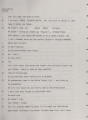
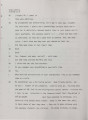
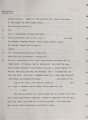
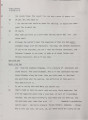
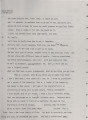
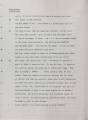
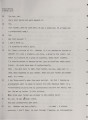
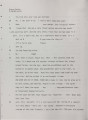
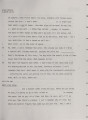
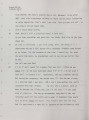
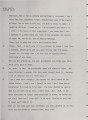
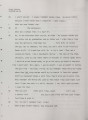
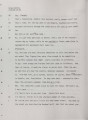
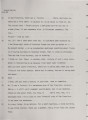
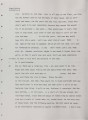
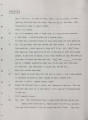
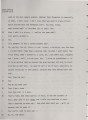
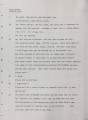
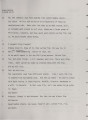
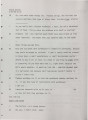
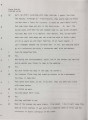
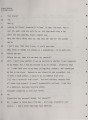
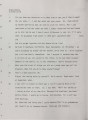
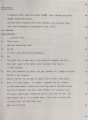
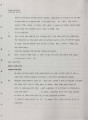
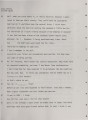
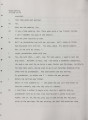
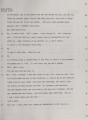
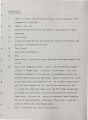
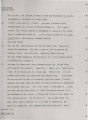
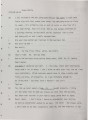
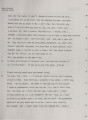
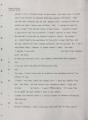
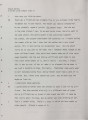
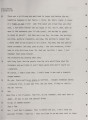
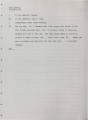
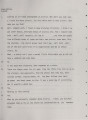
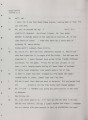
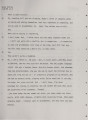
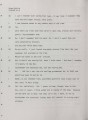
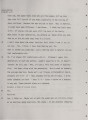
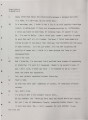
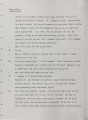
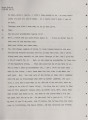
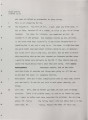
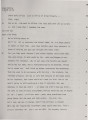
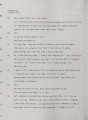
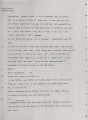
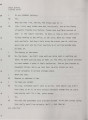
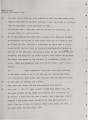
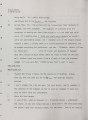
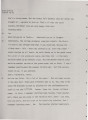
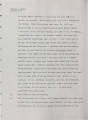
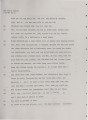
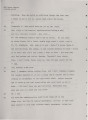
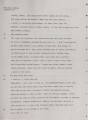
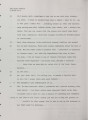
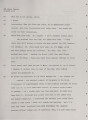
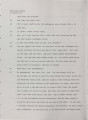
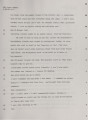
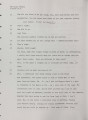
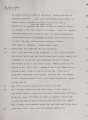
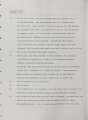
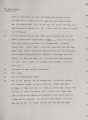
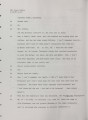
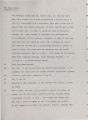
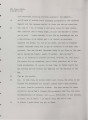
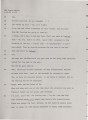
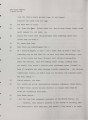
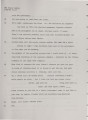
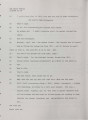
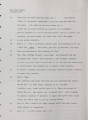
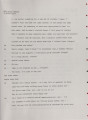
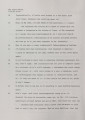
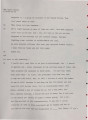
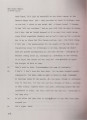
Show Grace Oshita 2-2~-85 s3: 15 b GO And. He would ask us if we were willing to go along with him if this happened. And naturally, ah, three women. Yes, we said we would. There were rumours about family interment camps. And I think early in our camp nfe, mynother tried to see if we could be transferred. And see if we could be with my dad in a family situation. Because it was -- It was only short time after we evacuated to Ta Assembly Center, that my father was notified that he wouldbe denied parole. And that he would be interned for the duration of the war. So. Urn. I guess the next best thing would have been to be sent to a family internment camp to be together. L Do you remember when you think back to the times after your father was interned, for instance. When during the day wouldyou most miss your father. There are always times in the days when we feel things morestrongly. Do you remember something like that? GO Oh, for many months. Oh, for a few months, atleast about 3 months, I went to school so !guess I was busy enough that I was kept busy with studies and then came home and helped my grandmother as much as I could. I guess. Well, .I•m sure at night alone in my room. Or When my grandmother was exceptionally sad or tired or expressed her feelings, I would feel it. Th~ same with my mother, when she camerome. Sounding so discouraged. L Did you, at that time, discover new things about your grandmother and your rother. Di dyou see them differently as people. Yes, I found out that women are stronger than you think they are. I•ve always |
| Reference URL |
https://collections.lib.utah.edu/ark:/87278/s6j4099m/897908 |