| OCR Text |
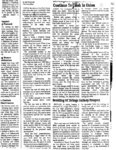
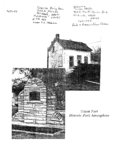
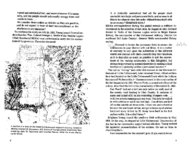
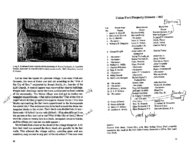
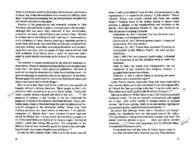
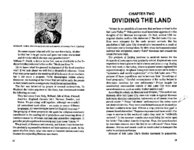
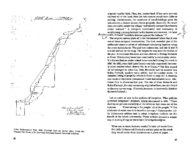
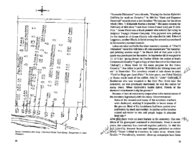
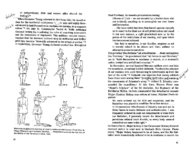
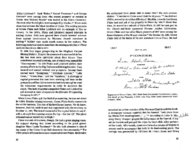
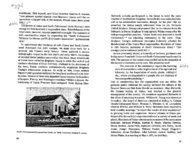
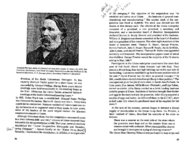
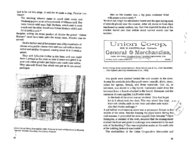
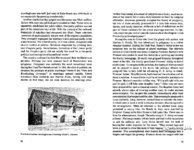
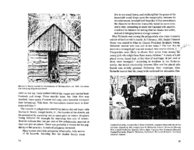
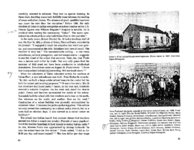
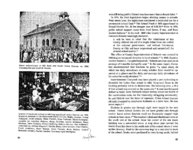
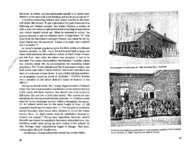
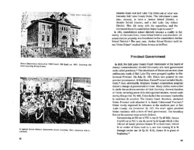
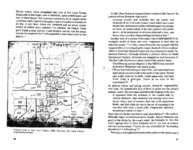
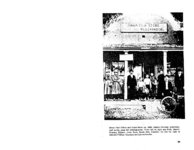
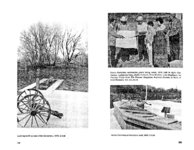
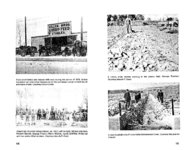
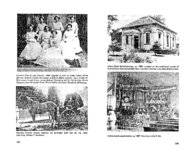
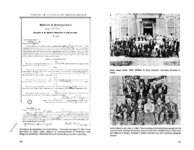
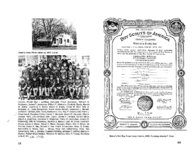
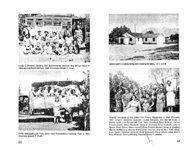
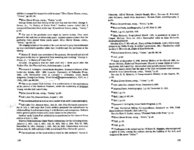
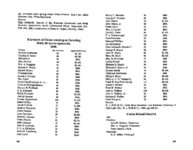
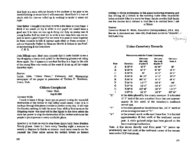
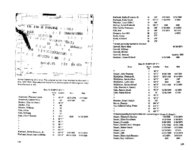
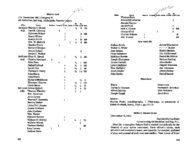
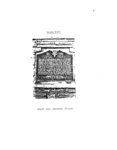
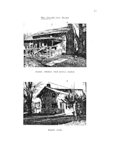
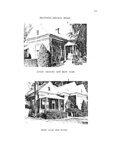
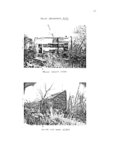
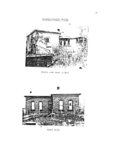
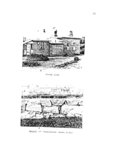
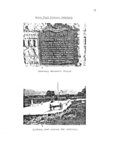
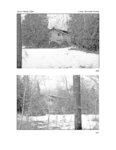
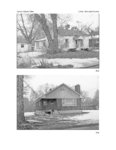
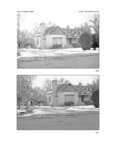
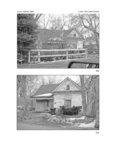
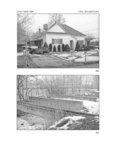
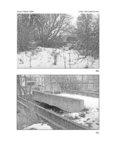
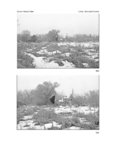
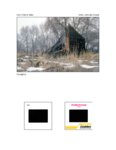
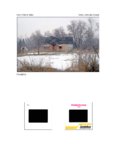
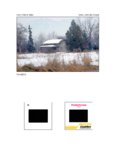
Show UnIon schoolhouse at 900 East and South UnIon Avenue. ca. 1892. Courtesy the late Sarah M. Walker. InterIor of the UnIon School at 900 East and South UnIon Avenue, ca. 1900. Students pIctured In the classroom scene Include: Stella Heusser, Esther Holmgren, Errld Nielson, Hilda Pierson, Irvon Forbush, Signe Holmgren, Junettle (or Lunettle) Nielson, Vivian Griffiths, Luella Anderson, Percy Monteer, Alice Graham, Willard Griffiths, Edison Denney, Ray Anderson, John Denney, Winnie Wagstaff, Martha Sharp, Lillie Nielson, Elgin Walker, Frank Anderson, Basil Walker, Ethel Pierson, Mary Walker, DUPhle~ Richards. Ernest J. Taylor. teacher. Courtesy Signe Holmgren. / , 84 if/l1~~.\tM-.J was still being paid to Union's teachers more than a decade later." In 1874, the Utah legislature began allotting money to schools. Four years later, the legislature introduced a territorial tax for a permanent school fund." The School Fund of 1879 apportioned to School District No. 23 the meager sum of $129.20. 20 Prior to 1874, public school support came from local taxes, if any, and from student tuitions.21 In the mid - 1860's the County Superintendent of Common Schools boastingly declared: It will be born in mind that the inhabitants of this County without the aid of a single dollar from the coffers of the national government, and without Territorial, County or City aid have improvised and sustain[ed] the present school system. 22 The office of County Superintendent of Schools was created in 1860 to give increased direction to local schools. 23 In 1864, Superintendent Robert L. Campbell reported, "Schools are kept open on an average of 8 months during the year." In the same report, Campbell recommended that teachers be given "a ruled sheet, on which the daily attendance of every schollar [sic] would be apparent at a glance and the daily and average daily attendance of the school be easily obtained. "24 Superintendent Campbell may have played a part in deciding to demolish the Union Fort school in 1866. Structural flaws in the building probably led to its destruction. The following year, a 26 x ~ foot school was erected on the same site.25 It cost one thousand dollars to build. Silas Richards helped defray about one fourth of the construction costs for the financially struggling community. He paid $150.00 over his share of expenses. Union School District officials promised to reimburse Richards at a later date. He was never repaid. 2' Students in grades one through eight were taught in the new school. (Union School District did not have grades nine through twelve. Local school districts could not financially support high schools in those days.)27 The teacher's desk and blackboard were at the south end of the school. Near the center of the one room building was a pot-bellied stove. A long stove pipe carried the smoke from the stove to the south side of the school where it went up the chimney. Fuel for the stove was kept in a coal shed in back of the school. Desks were positioned in rows facing south, behind 85 |