| OCR Text |
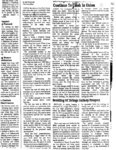
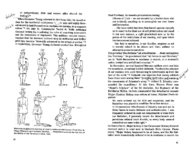
Show such celebration: Town residents met at 8:00 a.m. at the schoolhouse, formed a procession, and marched into the building. The choir.sang, speeches were delivered, and the meeting was adjourned until 1:30 p.m. At half past one, the meeting was called to order and opened by prayer. The afternoon was spent in recreation. At 5:30 p.m. the assembly was dismissed. The ward clerk put on record that "peace and harmony prevailed throughout theday."" , In the following years their celebrations grew more "spirited." On July 4, 1863, at the crack of dawn, beating of drums and firing of musketry jolted the citizenry outof a quiet sleep. At 9:00 a.m., an escort group, accompanied by the Martial Band, paraded to the Bishop's" residence and fired a salute. Bishop Silas Richards and family then joined the procession that had formed at the schoolhouse. They marched through the village streets and returned to the schoolhouse where they were "comfortably seated." The assembly was called to order. A prayer was then given. The choir sang two numbers and the military band played martial music. Bishop Richards read the Declaration of Independence. Other patriotic addresses were delivered. The ceremonies were closed by prayer. After this, the bishop and his family were escorted home. Villagers spent the afternoon and evening in dancing and "other . amusements. "37 The Martial Band played at military musters and drills and at local celebrations. It consisted usually of fifers and drummers.31 One skilled member of the local military band helped build his own drum. His face perhaps reddened at the following experience: The people in the Fort watched with pride, the skill of workmen in the making of this fine instrument that would soon add to the music of the band. When the drum was completed, it was found to be too large to be taken out of the house through the door or window. It was soon discovered that by taking the window and frame out of the house, the drum could be taken through. This was soon done, the drum taken through the window, and the house soon repaired. 31 Those were the fun times. There were hard times for Union settlers, too. Streams flooded and destroyed farm lands. Frost damaged crops. The destruction of crops by grasshoppers caused 14 ~~~!f :" ~~ ' ~t ~ " . I UnMrv ,!IIat: "'-.:or .H.QtJ~p:t!f'~· .' .' \:{;''';''' famine. After a severe bout with grasshoppers one year, Warren Foote entered in his diary: "To look at things naturally famine seems inevitable. The grasshoppers have eaten all the wheat in the country ... [and] the gardens are all destroyed. "40 Hunger was sometimes compounded by illness. Severe colds, typhoid fever, occupational injuries, and complications in childbirth occured. A still birth in one family was "caused by the unskillfulness of the midwife."4t ," . Silas Richards' journal entry of June 3, 1856, states: Opened abscess on Frances's leg which has been gathering for four weeks and has caused much violent suffering. About one quart of matter was discharged. It continues to gather and was opened a number of different places. 4J 15 |