| OCR Text |
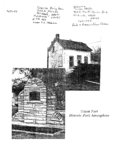
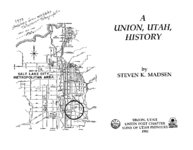
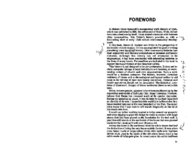
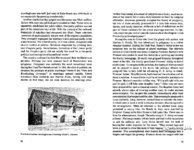
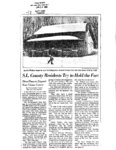
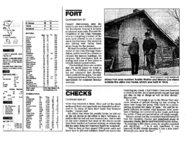
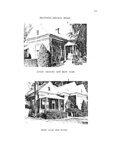
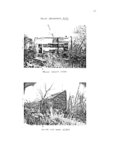
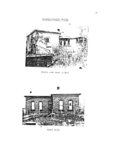
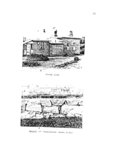
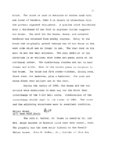
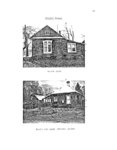
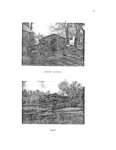
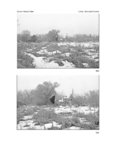
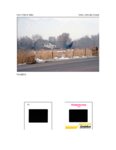
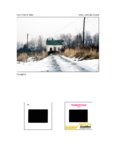
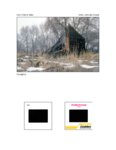
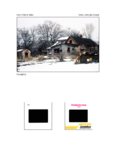
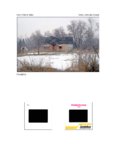
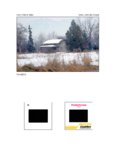
Show FOREWORD In Hubert Howe Bancroft's monumental work History of Utah, which was published in 1889, the settlement of Union, Utah, did not even rate a footnote by itself. Union shared a footnote with fourteen other communities. Yet, Union's history provides us with a , \ fascinating view of early Utah culture and community develop.? ment. . In this book, Steven K. Madsen sets Union in the perspective of the totality of state histo.fY. He has accomplished his goal of writing . ~.s9mething IJ.l~~~.~~1 history. Often community histories lose their objectiVIty and beCome' compilations of personal and family histories. Although this history has not attempted to be biographical, it has been punctuated with interesting sketches in the lives of many locals. Personalities are included in the book to support the major themes of this historical outline. This history is not designed to be comprehensive. It does not include complete listings of local individuals and families, or mem-'-.1 bership rosters of church and civic organizations. Such a work would be a lifetime endeavor. The history. however. furnishes ." residents of Union with a chronological and topical outline to aid \._j~ them in the writing of their own family narratives. Personal and family narratives should not be discounted. The historical anecdotes of Maurice C. Burgon of Union motivated Steve to write this book. Union, to some people, appears to have been swallowed up by the expanding metropolis of Salt Lake City. Many Unionites, however, believe that Union has retained much of its special character. During my growing up years, it was obvious to me that Union had an identity of its own. I came into this world late in November in a house located just east of the west boundary of the Fort. The small brick house that I was born in still stands diagonally on the lot at 7260 South lOth East. I recall my father working to plant a hedge around our property and when digging to plant the hedge he came in contact with large stones that had been placed as the foundation (or the fort wall. A pear tree still stands at the north side of the house that was planted inside th~ fort, making it well over 130 years old. • I Across the street to the northwest stood the adobe house that had the distinction of being the only house outside the fort. It was a two ~ room house made of large adobe bricks with walls over fourteen inches thick. Just to the south of the old adobe house stood a log cabin made of lodge pole pine. In recent years this cabin had been V ix |