| OCR Text |
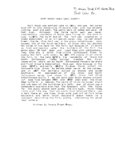
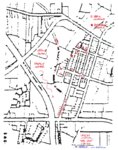
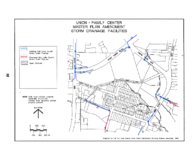
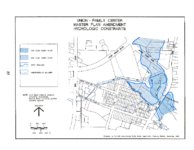
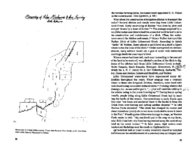
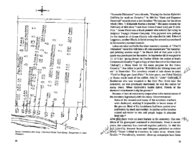
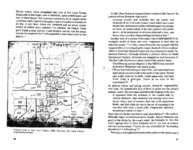
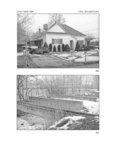
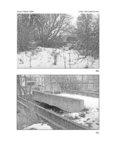
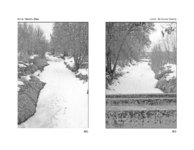
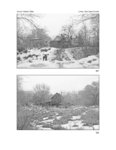
Show The east Jordan Canal, Cahoon and Union Ditches are three manmade waterways that flow in a north and west direction through the study area. Where development has occurred, both the East Jordan Canal and the Cahoon Ditch have been placed in underground culverts. The Union Ditch terminates near south Union Avenue and 1035 East. These waterways are privately owned and maintained. Developers proposing these canals to dispose of surface drainage or to alter channels must receive permission from canal owners along with a permit from Salt Lake County Flood Control before any work begins (See Storm Drainage Facilities page 10). soils: Evaluation of soils for possible constraints is an important factor when considering the type and density of development which should be allowed in an area. High water table is the only soil constraint identified in the study area. Information reveals that the water table on the east portion of the study area is at a depth of 0 and 30 inches below the ground surface. High water table is often associated with low areas adjacent to rivers and stream. During periods of high stream flows the ground water table is near the surface of the ground. Identifying high water table areas before development occurs will allow special design considerations and avoid potential problems. Also, hydrologic studies show the majority of the expansion area is in the 100 and 500 year flood plain (See Hydrologic Constraints page 11). seismic Hazards: Earthquakes and other seismic problems should be major considerations in determining a site's development potential. Faul ts: According to studies compiled by the Salt Lake County Geologist there are no identified faults with the study area. Liquefaction: Liquefaction is defined as the loss of soil cohesion caused by ground shaking which may cause maj or ground failure. Areas most susceptible are those where a high water table underlies a granular soil such as sand. The material changes state behaving for a short time as a dense fluid rather than a solid mass. The entire Union-Family Center area has a moderate liquefaction potential. Liquefaction poses a real, identifiable hazard to structures either on the ground or buried beneath the surface. Damage caused by liquefaction can result in structural collapse and potential loss of life. It is imperative that adequate site investigations be performed by a qualified engineer on commercial buildings to insure they are properly designed to reduce personal injury and property damage caused by liquefaction during a major seismic event. 9 |