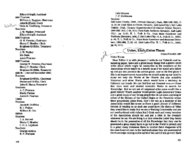
| OCR Text |
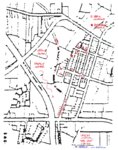
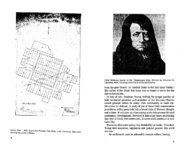
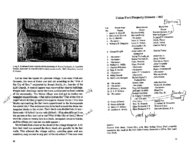
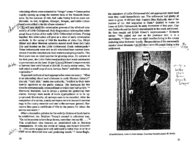
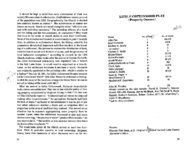
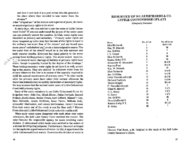
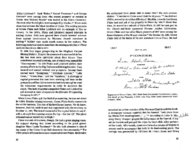
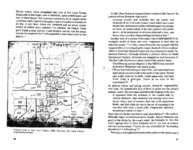
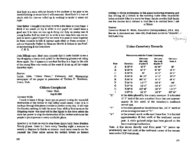
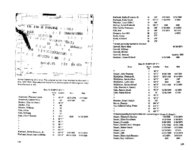
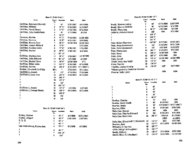
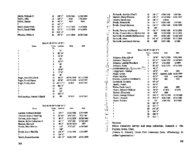
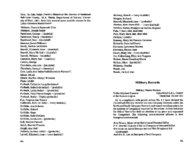
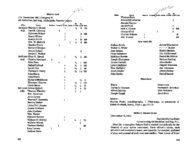
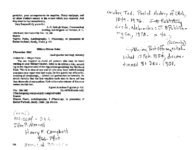
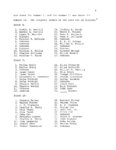
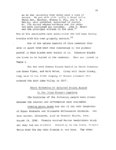
Show and date it and tack it to a post driven into the ground at the place where they intended to take water from the stream." After "diligent use" of the stream over a period of years, the farmer acquired primary rights to the water. In early days, who was entitled to lise the water of Little Cottonwood Creek? If you can understand the jargon of the water-users you can probably answer the question. In Utah, water rights were . classified as primary and secondary. "Primary water rights are those 'acquired up to the time that the swn of the rights is equal to the ordinary low-water flow of the stream' and are based upon seven years' undisturbed usEQ) wrote a knowledgeable source. The. low-water flow of the stream would be in the late summer and early autwnn months. Everyone has equal priority to the water \ <.>.,..-among those holding primary rights. The above source explains, \ Q.,'" . 'e:-:::>In times of water shortage all holders of primary rights have o\ Q. . water, though in quantity limited by the degree of the shortage." 1lnse holding secondary water rights do not have it so well, according to the source. They are entitled "to withdraw water from the stream whenever the flow is in excess of the quantity required to fulfill the normal requirements of primary users."31 In other words, after the primary users have taken their normal allotment the water that remains may be used by the holders of secondary rights. We may asswne that the earliest water users of Little Cottonwood Creek held primary rights. Some of the early colonizers to use Little Cottonwood Creek for irrigation were: Jehu Cox, Elijah Elmer, Rufus Forbush, Samuel Pollach, David Jones, Seeley Owens, Levi Gifford, (Elmer?) Cox, Silas Richards, James McMinds, Isaac Vance, William Judy, Alexander Shoemaker, and James McClenahan. Robert Burrows Pate took water out of the creek to run his flour mill.4° Warren Foote also used Little Cottonwood Creek waters to run his mill. When early water users disagreed with each other over water allottment, the Salt Lake County Court resolved the matter. The court became the responsible agency for cases involving water division. It determined which lands were entitled to the waters of a stream for irrigating purposes. Furthermore, the court arranged for the equitable apportionment of water. In 1856, it apportioned the Little Cottonwood Creek waters. To oversee the division of water in 26 RESURVEY OF SILAS RICHARDS & CO. LITTLE COTTONWOOD [PLAT] (Property Owners) Name Silas Richards Wm. W. Morrell Jos. Griffith I. Y. Vance Silas Richards Easton Kelsy T.T. Alexander M. Shomaker Warren Foot Wm. W. Morrell Silas Richards Jos. Griffiths Peter Vanvolcanburgh Richard Forbush Alonzo Knight P. Vanvolkenburgh Elias W. Howell O. L. Terry O. Terry Jos. Griffith Oren [Jefferds?] Easton Kelsy T.T. E.Kelsy No. of Lot No. of Acres 1 2 3 4 5 6 7 8 9 10 5867/100 16 ? 6 11 12 13 14 15 16 17 18 19 20 21 22 30 26 281/2 291/4 17 101/4 161/4 561/4 153/4 201/4 7 21/2 81/4 51/2 26 9 20 1/2 ? Source: Pioneer Plat Book, p.26. Original in ·the vault of the Salt Lake County Recorder's Office. |