| OCR Text |
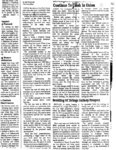
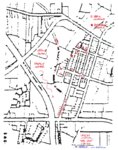
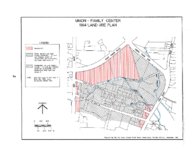
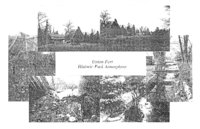
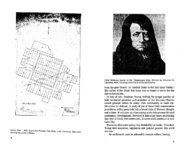
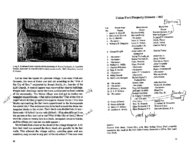
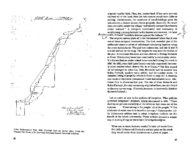
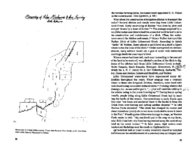
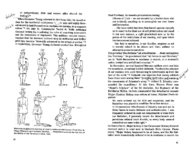
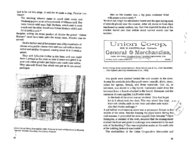
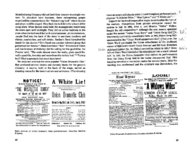
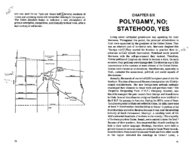
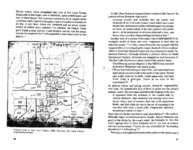
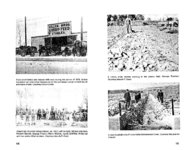
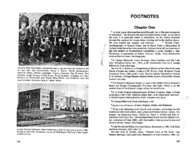
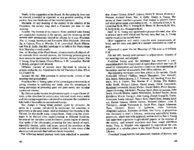
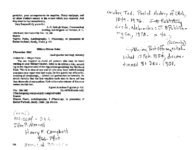
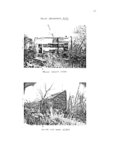
Show site was used for an "open-air dance hall\'D Several residents of Union and adjoining towns still remember d~hcing in the open-air. The Union populace began to welcome a new atmosphere of private enterprise, competition, and liberality to their town, after a half-century of settlement. OOIOSouCII Lovenct.hI 51 . 5GJth Cottonwood (Murray) =-= __~~-~Sauth~ -r=--~-f:-:-::-- Union Precinct ? 7\30..~91 .. "7200 SouIh . Formerly Union. ...Av• .•··- ""'7100 South -- Sodal Ave Sandy 70 _________ _ CHAPTER SIX POLYGAMY, NO; STATEHOOD, YES Living under territorial government was agonizing for most Mormons. Throughout this period, the principal officeholders in Utah were appointed by the president of the United States. That was an inherent part of territorial rule. Mormons despised this ,,'I "foreign rul~1\They wanted the freedom to practice their in~_. n\~ c stitutions withoUt outSide intervention. Statehood would 'provide Mormons with the self-government they desired. Therefore, Utahos petitioned Congress six times to become a state. On each occasion, their petitions were disregarded. The Mormon way of life ran contrary to the customs of most citizens of the United States. Utahos were viewed as un-American. Non-Mormons, especially in Utah, contested the economical, political, and social aspects of Mormonism.t Annually, thousands of converted LDS foreigners poured into the territory. The idea of increased Mormon immigration into Utah incensed non-Mormons. The new foreign-born arrivals seriously challenged their chances to obtain work and purchase land. 2 The Perpetual Emigrating Fund (P.E.F.) Company, however, continued to transport the poor masses from Europe and Scandinavia to Utah. Several Scandinavian emigrant families were indebted to the P .E.F. for passage to America. During the 1870's, some of these families mi:;;rated to Utah and settled in Union. By 1880, there were at least 17 Scandinavian families living in Union.' A portion of the Scandinavians moved to the area because it was near the smelting industry of South Cottonwood (Murray) . A smelting boom of the 1870's attracted hundreds of workers to the vicinity.· The majority of the immigrants to Union, though, were content to farm the land.' Because of their nwnbers, they requested that church meetings be held in their native language. Meetings, therefore, were held in private homes for several years, according to Union Ward records. Scandinavians from South Cottonwood Ward and from other wards in the region attended the meetings in Union.' Later, a 71 |