| OCR Text |
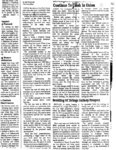
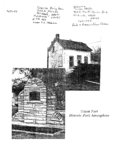
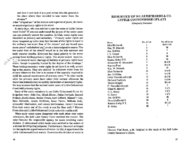
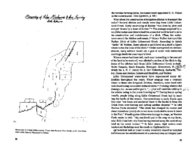
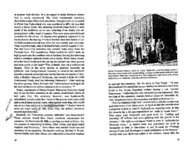
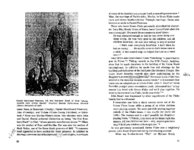
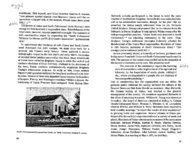
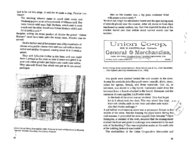
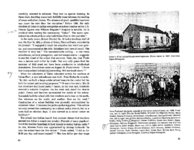
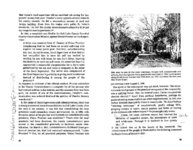
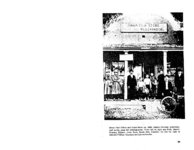
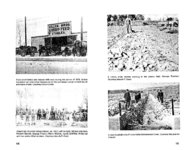
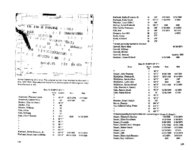
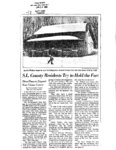
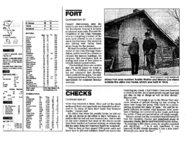
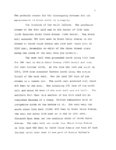
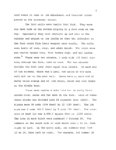
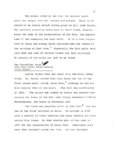
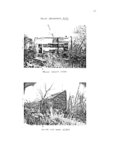
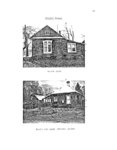
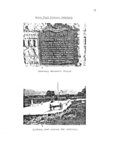
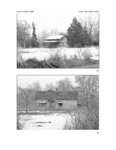
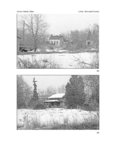
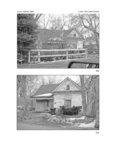
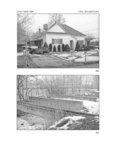
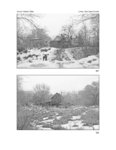
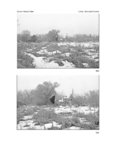
Show had to be cut into plugs. It sold for 10 cents a plug, Proctor continued: The smoking tobacco came in small cloth sacks and smoking papers went with each sack of tobacco sold. The main brands sold were Bull Durham, which cost 5 cents a sack and the other brand was Dukes Mixture which sold for 10 cents a sack.34 Imagine, selling the same product at double the price! "Dukes Mixture" must have been quite the luxury item. Proctor also observed: On the further end of the counter was a big round cake of . cheese wrapped in cheese cloth and was cut with a cheese cutter and sold by the pound, costing about 10 to 15 cents a pound. They sold Arbuckle Coffee in the bean and you could have it ground at the store or take it home and grind it in your own coffee grinder just before you made your coffee. They also sold Brand Tea which was put up in one poUnd packages. Also on the counter was a big glass container filled with penny a piece candy.35 We m~t not forget the old cracker barrel and the open burlap sack of peanuts placed near the counter. Mter all, stores in those days functioned as social centers, too. One was expected to stop at the cracker barrel and chat awhile about current events and the weather. '\ U1J..io:r:t CO=Op, GEO. W. PROCTOR, Supt. Donlors in General t:1~ Merchandise, Rollor Mill Flour Choppod Foed, F~rmlng Imploments, Eta. Lumber; Loth and 8hln1:108. VTAn IJ~IOS, N.U.'· 1."10; CCH/~Tl', • • • Union Co-op Store advertisement. From Stenhouse & Co., Utah Gazetteer, .•. 1892-3 (Salt Lake City: Stenhouse & Co., 1892). Dry goods were stocked behind the east counter in the store. Among the products John Sharp sold were: overalls, shirts, shoes, calico for aprons, thread, and dress materials. Coal oil, or kerosene, was stored in a big barrel. Customers could draw the kerosene from a faucet attached to the barrel. Kerosene cost the customer 15 cents a gallon. Ira Proctor wrote: In the back of the store was an ice chest. They had to put ice in it about(e~;r}wo days. This was where. they ~ep~ __ ~ \ie. r / /l their soft drinks,-such as root beer and other soda water. . '. . t. Also their butter and eggs. 3e • • j.,OJ / A pot-bellied wood-burning stove was a permanent flxtur~ In the j) middle of the store. Besides keeping th(P!~~~ .warm .dur:~g. the cold seasons, it preveQted the store supplies f~om freezmg. Slgne Holmgren, a resident of the town, recalled that the management stocked the flour and grain in a storage area connected to the east side of the·building. 3I Hay was weighed on scales on the north side of the building, before it was traded. 38 • The stockholders of the ' Union Co-operative Mercanhle and t Union Co-op Store, founded In 1889. Pictured In front of the store Is Minetta "Nettle" Walker. Courtesy the Iste Irs Proctor. ,: \ . i 66 67 |