| OCR Text |
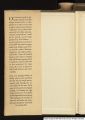
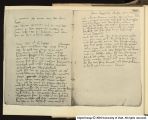
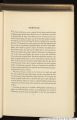
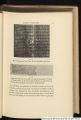
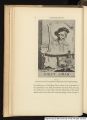
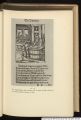
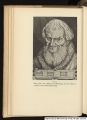
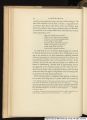
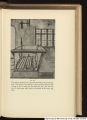
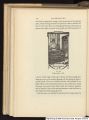
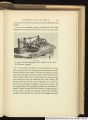
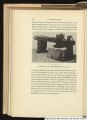
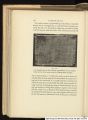
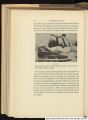
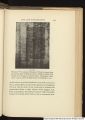
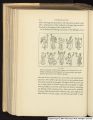
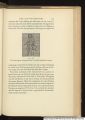
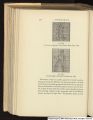
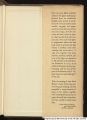
Show = EEacear THE OLD PAPERMAKER the base of one of the crumbling masonry walls, decply nnhu!dc in the marshy ground, lay a rusty and broken screw press falle upon its side. It had been one of the indispensable implements o the old mill, and between its platens ream after ream of paper ha been pressed,-paper that had been made for ante-bellum banks for the counting-houses of some of America's oldest firms, and fo the banks of the South American Republics as well as those o Greece. It was not until March, 1866 that the mill abandoned th manufacture of handmade paper. On the hill aboye the mill stand the old Willcox home, sill occupied by a direct descendant of thi noted papermaking family. While the present occupant is not engaged in the craft of his ancestors, he has inherited an interest an love for papermaking, and many drawers were opened so that might see specimens of e fabricated at Ivy Mills generation ago. Some of these carl American papers arc now in my possession and are most h:ghly pnzcd The old Willor family buryin ground, enclosed within an iron fence, lies up the hill, behind th house, and here rest this illustrious family of papermakers. Withi the enclosure, but to one side, a small grave stone with the on word cazsar marks the tomb of an old negro slave whom Thoma Willeox ha ed from the captain of a slave-trading shi e Delaware Bay. Caesar had been a faithfu and intelligent papermaker in the Willcox mill, and at his deat he was privileged to share the resting place of his masters About 1736 a paper mill was established on the banks of th Coaalico Creck, near Ephrata, Lancaster County, Pennsylvania, b a branch of the Pictists of Germany, who came to this country i he early cighteenth century. This was the fourth paper mill i Pcnmylvann When I'v ago there was nothing o the old buildings remaining, not eve the (mmdanonx could be traced, for a woolen factory had bee built upon the spot where the mill once stood. The buildin B Digital Imag © 2004 University of Utah. All rights reserved |