| OCR Text |
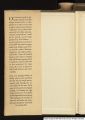
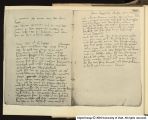
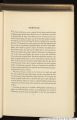
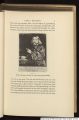
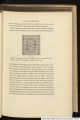
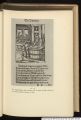
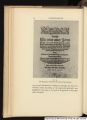
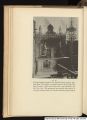
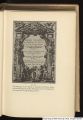
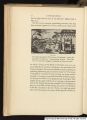
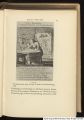
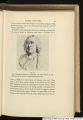
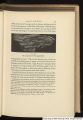
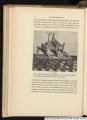
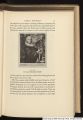
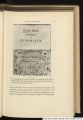
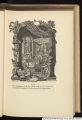
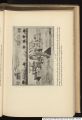
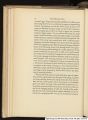
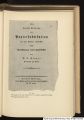
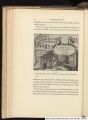
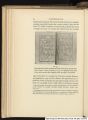
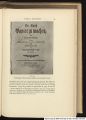
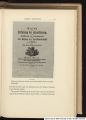
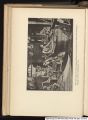
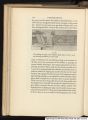
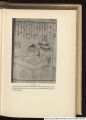
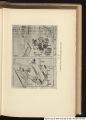
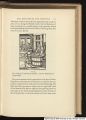
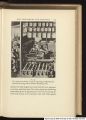
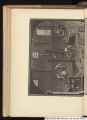
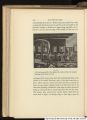
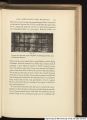
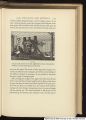
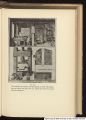
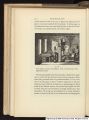
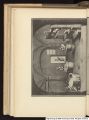
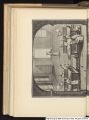
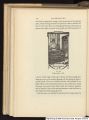
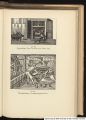
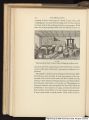
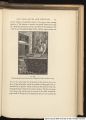
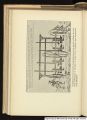
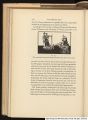
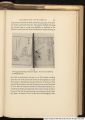
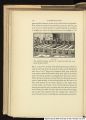
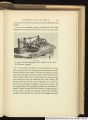
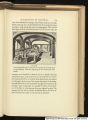
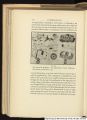
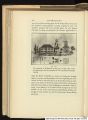
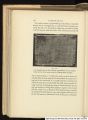
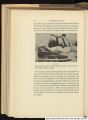
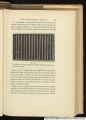
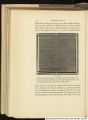
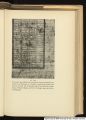
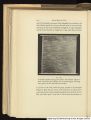
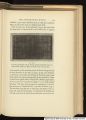
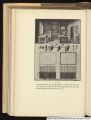
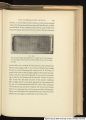
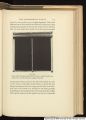
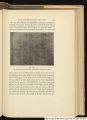
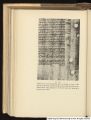
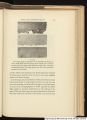
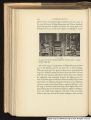
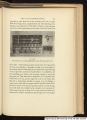
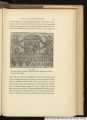
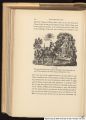
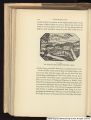
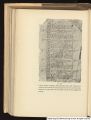
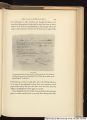
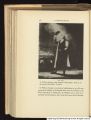
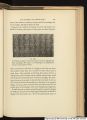
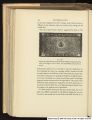
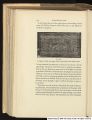
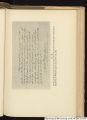
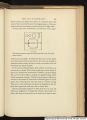
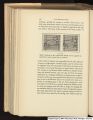
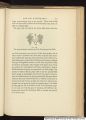
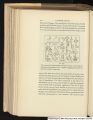
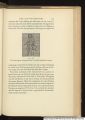
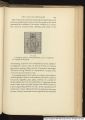
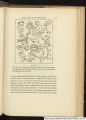
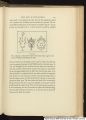
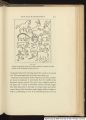
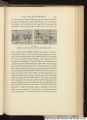
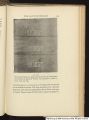
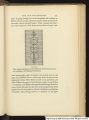
Show 14 PAPERMAKIN consisted ofa pressing hammer of huge construction, the implement being operated by water power. The idea for the apparatu was borrowed by the papermakers from the bookbinders, as thes craftsmen had employed this mechanism for polishing the back ~o. 8 The interior of a German paper mill, dated 160 of books many years before the papermakers adopted it. This machine gave the papera more uniform surface than had been possible by the hand rubbing method. The results achicved by the us of the glazing hammer were soon spread to the different mills b the travelling workers, and it was not long until this machine wa used universally. The hand-burnishers looked upon the introduction of the hammer none too kindly, for when it came int they had to seek other employment. In Germany the toditio lazing hammer caused a division among the makers o paper. The mills that continued the use of the old hand-burnisher would not allow, under severe punishment, any artisan to wor or them who had been employed in a mill where the new me(lmnic'\l device was used. The controversy became so heated tha e Government threatened to confiscate the tools used in handImrmshlng, and recommended that the mills adopt the new pressing- or glazing-hammers. In spitc of this ruling, however, the mil owners continued to polish or finish their paper in the manne they desired. Polishing by hand always gave the paper a streake Digital Imag © 2004 University of Utah. All rights reserved |