| OCR Text |
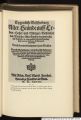
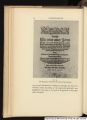
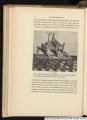
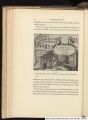
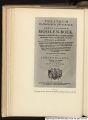
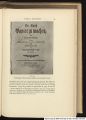
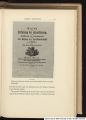
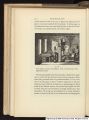
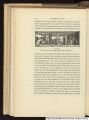
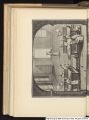
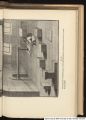
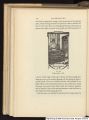
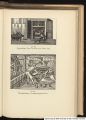
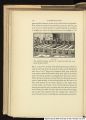
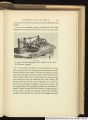
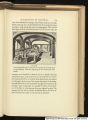
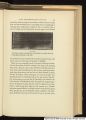
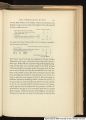
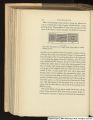
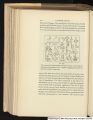
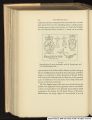
Show MACERATIO O MATERIA 17 of a tree and fitted with about thirty iron knives. The linen an cotton rags circulated around the tub and were lacerated by t action of the metal bars of the roll revolving over a metal or ston bed-plate set in the bottom of the tub duculy o the roll. Th material was kept in constant motion by the impetus given by backfall and by the rotation of the roll. With the invention of th Hollander the putrification of the rags ceased in some mills, th cloth being washed and beaten without preliminary treatment ‘The Hollander was naturally first used in the country of is origin. Itis not known when the invention was taken to Germany but no doubt it was shortly afterSturm's visit to Holland, whic s later referred to, As early as 1725, the papermaker Katerstein i ony wrote: "the Hollander in Freiburg furnishes in one day a much pulp as eight stamper-holes do in eight days." This was bu seven years after Sturm compiled his book depicting the newly inrented beating-engine. Even afier the introduction of the Dutc machine many mills in France and Germany, as well as in Ttaly retained the old stampers for the breaking of rags, and employe paper mills in Germany operated twenty-five scts of stampers, o four ud\, which supplied three dipping vats with paper stock Hollanders,which macerated sufficient stock for workmen to mak paper from four dipping vats. In 1829 this mill reduced the number of stampers to eight sets and increased the Hollanders to four This equipment furnished the beaten stock to the same four vats As carly as x760 one of the largest paper mills in France had discarded the stampers alogether, but operated twelve of the Dutc beaters which supplied the liquid stuff for forming the sheets o paper from twenty vats. A mill of this magnitude would have ha a capacity of about seventy-five reams of finished paper a day ‘The first paper mill in central Massachusetts was established b Digital Imag © 2004 University of Utah. All rights reserved |