| OCR Text |
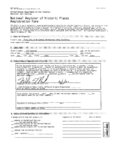
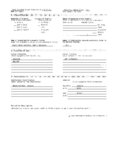
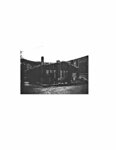
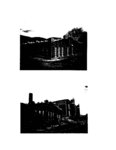
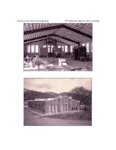
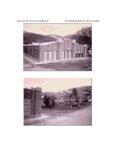
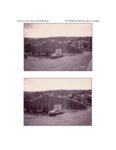
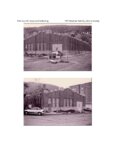
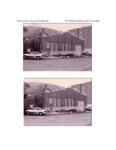
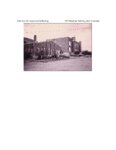
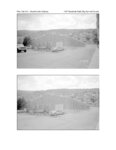
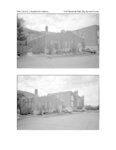
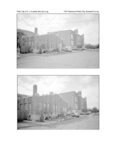
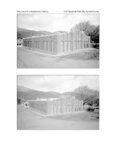
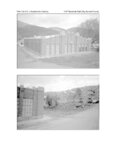
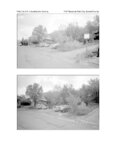
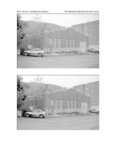
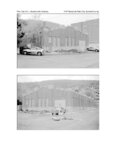
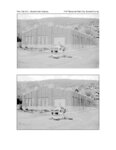
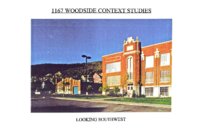
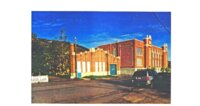
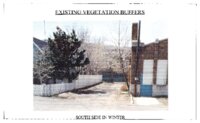
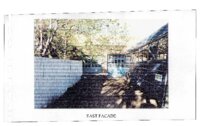
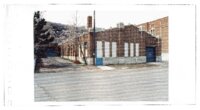
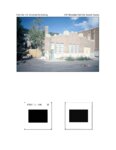
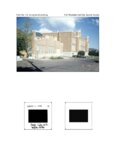
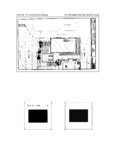
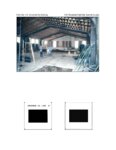
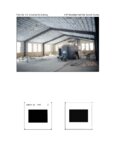
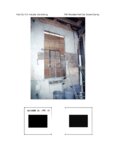
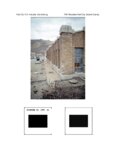
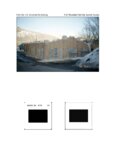
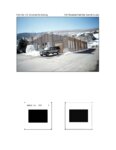
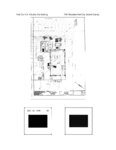
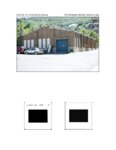
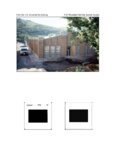
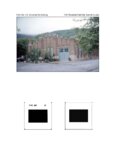
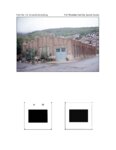
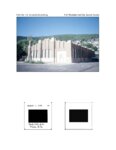
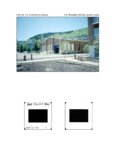
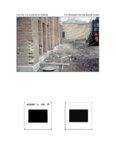
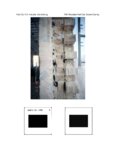
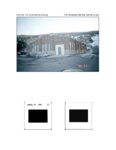
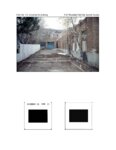
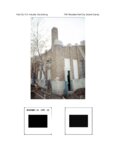
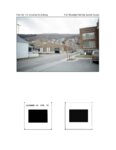
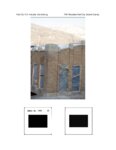
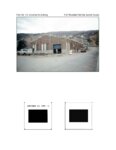
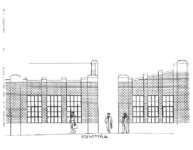
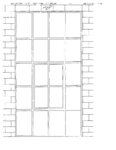
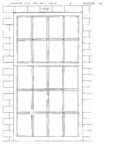
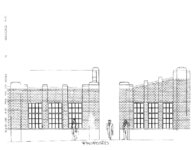
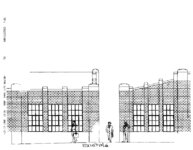
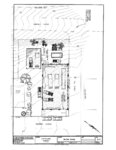
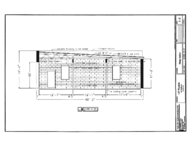
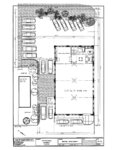
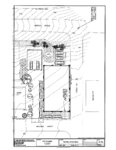
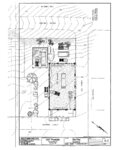
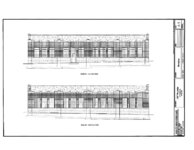
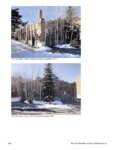
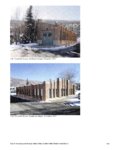
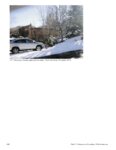
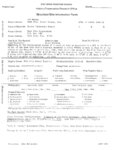
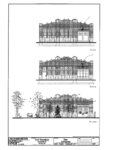
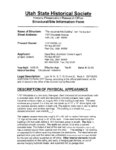
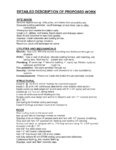
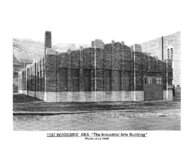
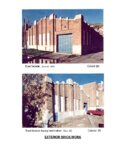
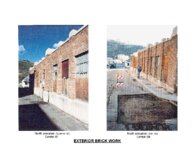
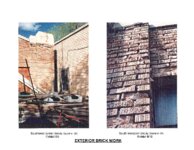
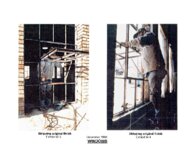
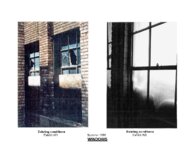
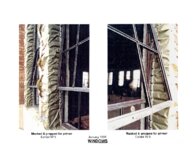
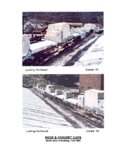
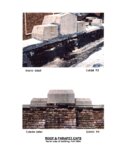
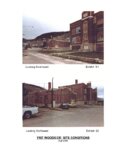
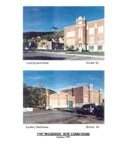
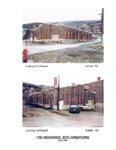
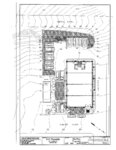
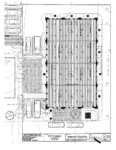
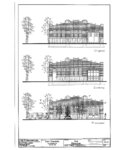
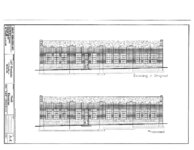
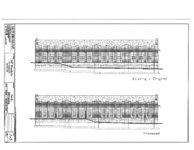
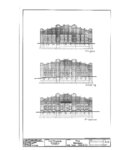
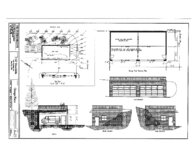
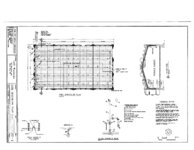
Show Site No: Street Address: 4 u w .... Architect/Builder: Carl H. Scott & George \.J. \.[elch/unknmm Building Materials: brick Building Type/Style: PWA Moderne Description of physical appearance & significant architectural features: (Inciude additions. alterations, ancillary structures, and landscaping if applicable) This school, sitting high on the hill to the east of downtown Park City, is an interesting example of public works architecture in Utah. The building itself is three storys high and is constructed of rock-faced, yello\.,r brick. The roof is flat and there is a low band of terra cotta coping along the edge. The principal facade is symmetrical and it is divided into four bays, each three windm.,rs wide. Low relief pilasters separate the bays. Two-story entrance porticos are found between the two middle and the two outside bays. Each portico has a shallow parapet, clipped corners, and decoratively patterned brick surrounding narrow vertical window panels. The principal decorative motif found on the building is a low relief, torch-like figure that is found at the top of each pilaster and at the corners of each portico. These figures break the horizontal line at the edge of the roof and give the building a crenelated appearance. A long concrete stairway runs down the hillside to connect the school to the town below. The stairway IS smooth lines and geometric embellishment serve to focus attention on the overall design of the building and should be considered an integral part of this nomination. The school has received little alteration over the years and remains in good original condition. 5 >- a: ....o e/) :x: Statement of Historical Significance: Construction Oale:1935-35 Built in 1935-36, the Marsac Elementary School is part of the Public Horks Buildings Thematic Resources nomination and is significant because it helps docu~ent the impact of New Deal programs in Utah, which was one of the states that the Great Depression of the 1930s most severely affected. In 1933 Utah had an unemployment rate of 36 percent, the fourth highest in the country, and for the period 1932-1940 Utahls unemployment rate averaged 25 percent. Because the depression hit Utah so hard, federal programs were extensive in the state. Overall, per capita federal spending in Utah during the 1930s was 9th among the 48 states, and the percentage of workers on federal work projects was far above the national average. Building programs were of great importance. During the 1930s virtually every public building constructed in Utah, including county courthouses, city halls, fire stations, national guard armories, public school buildings, and a variety of others, were built under federal programs by one of several agencies, including the Civil Works Administration (CWA), the Federal Emergency Relief Administration (FERAl, the National Youth Administration (NYA), the Works Progress Administration (WPA), or the Public Works Administration (PWA), and almost without exception none of the buildings would have been built when they were without the assistance of the federal government. The i'larsac Elementary School in Park City is one of 233 public works buildings identified in Utah that were built during the 1930s and early 1940s. Only 130 of those 233 buildings are known to remain today and retain their historic integrity. Of the 233, 107 were public school buildings. Th.is is one of 43 elementary schools built, of which 19 are still standing. In Summi t County 7 buil di ngs were constructed, 6 of \'ihi ch remai n. (See Continuation Sheet) |