| OCR Text |
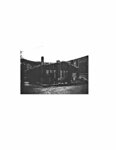
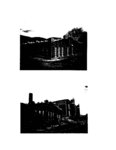
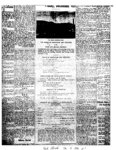
Show I\ ~W 414 uA~ . ~" 'b ~l~ < .esmen. out of mately, ices of Grant, (ormon IUch of ts were banks, id they : wide. - finanft deep nation I of the of the I loans, longer dream, nancial ''''\~-t.A,k V ~ Institute, of which she was a founder (1977) and th president, located and identified artifacts associated with ethnic life, produced a major museum exhibit, and sponsored lectures and other programs. Papanikolas also collected numerous documents, conducted extensive interviews, and was instrumental in organizing the ethnic archives at the University of Utah. Her influence on research into ethnic life in Utah is great and unparalleled. She has received many awards, including Archbishop of the Americas Iakovos Saint Paul Medal (1972); Fellow of the Utah State Historical Society (1975); Japanese-American Citizens League Award (1976); Brotherhood Award, National Conference of Christians and Jews, Utah Chapter (1978); Distinguished Alumna Award, University of Utah (1983); and Honorary Doctor of Humane Letters, University of Utah (1984). She has served on the Children's Service Society Board (1962-69); Advisory Board of Editors, Utah Historical Quarterly (1969-73); Board of State History (1973-85); and Utah Endowment for the Humanities State Committee (1973-79). Miriam B. Murphy Walker PARK CITY meron, 'apachuccess moved e Pen, f Utah y have ::arbon , phase 1 in the >rks on others :ope of !nt and a fuller and its rt.ikolas Immii), and United ational !vision f Utah The Park City Mining District comprises a tract that lies between the steep wall and ledges that mark the crest of the mountain range on the west and the mountain meadows of Heber, Kamas, and Parleys Canyon along the eastern foothills. Some thirty miles southeast of Salt Lake City, Park City is situated on an intermediate belt that sits upon a spur which extends from Dayton Peak, in the main range to the east, and which forms the head of East Canyon, divides the Weber from the Provo river, and is the link between the Wasatch Range and the Uinta uplift. It is located in Summit County. On 23 December 1869 the Young American lode became the first recorded claim of the district. However, it was the discovery of the rich Ontario mine that initiated efforts to mine lode ores and acted as the catalyst for Park City'S rapid growth and reputation as a great silver mining camp. In 1872, shortly after its discovery, the mine was sold for $27,000 to George Hearst of San Francisco, and was run by R.C. Chambers until 1901. It reportedly produced some $50,000,000 of ore. The Pinon, Walker and Webster, Flagstaff, McHenry, Buckeye, and other area mines also shipped small amounts of ore. By 1879 the Ontario mine was flourishing, with houses springing up near the mine and lower down the canyon-the site of Park City. As a camp began to form, primarily with wooden structures erected to service the growing population, a fire destroyed several of its principal buildings in December 1882. In 1884 Park City incorporated as a city. In August 18: another fire claimed another building. Mining operations continued to develop in the late 188 and early 1890s. In 1885 John J. Daly formed the De Mining Company, and later the Daly West. The Daly-Jud (John Judge) Mining Company was formed in 1901, a consolidated its holdings in 1902. In 1892 David Keith, W Rice, Thomas Keams, A.B. Emery, and John Judge acquir a lease on the Mayflower claim; while working the inter they found that it extended into Silver King property. T Silver King Mining Company soon was incorporated ) . $3,000,000, and the well-managed property quickly attain high ranking among bonanza silver and lead mines. p, City boomed, and personalities such as the Silver Que (Susanah Bradford Emery Holmes) added to the city's st~ and lore. The Panic of 1893 slowed economic growth, but P: City's expansion was decisively halted by a devastating fi On 19 June 1898 fire raged through the Park City comm cial district. The blaze was the greatest in Utah history. M. Street lay in ruins, with only a few gaunt walls remainiJ Losses were estimated at over $1,000,000, and some 2 business houses and dwellings perished. With commun support. however, the town rebuilt, replacing stone and br structures with wood buildings, which were later impro' again to brick and stone. Commercial activity flourished in Park City. Utah bt ness directories reveal that in 1892-93, 112 busines (including physicians and lawyers, but not mining com· nies) were listed; while in 1903-04 approximately 136 Cf cerns operated in the town. By 1918-19 the number t declined to 87; and in 1920-21 only 75 such entries w listed. As elsewhere, the Great Depression of the 1930s hal development. Political activity and public life in the city were emb, ied in City Hall, quickly rebuilt after the 1898 fire. Dur the Great Depression of the 1930s, the WPA erected the" Memorial Building that served the recreational needs of community. Social halls, saloons, and theaters all marl life in Park City. The Odd Fellows, Elks, and Masons c tributed to the town's social life. Mining activity slowed greatly because of various pressions. By the 1950s Park City was almost dead; but ( to the increase in winter recreational activity (especially: ing), the town experienced a rebirth in the 1960s and thri as a key resort town in northern Utah and the West. Deer Valley area was added to Park City'S developmem the 1980s, and has added to its reputation as an excell winter skiing area, as has also Park West resort. In 1( Park City's local government passed a Land Managem Code. delineating historic districts and instituting preser tion ordinances. In 1978 the Park City Main Street Hist( District was listed in the National Register of Historic PIal Other listings followed as the historic character of Park ( was viewed as a key element in the town's colorful past part of its attraction for the future. r |