| OCR Text |
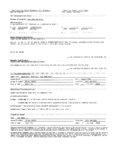
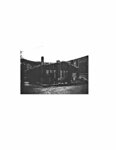
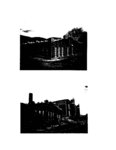
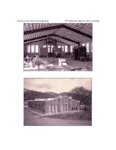
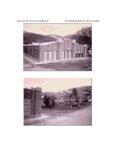
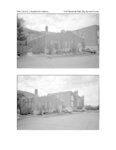
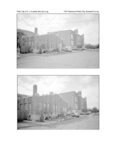
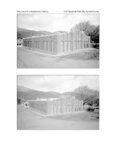
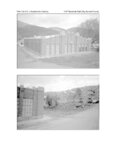
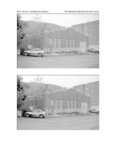
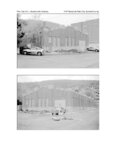
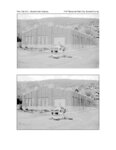
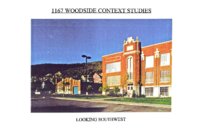
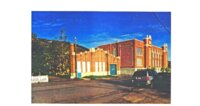
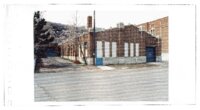
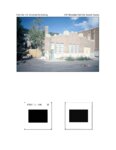
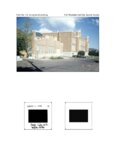
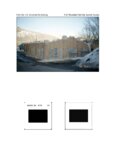
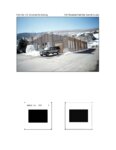
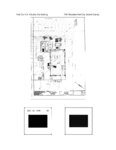
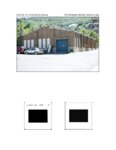
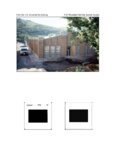
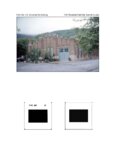
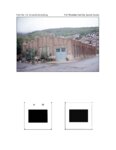
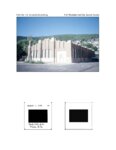
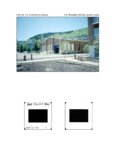
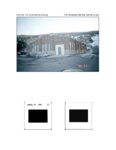
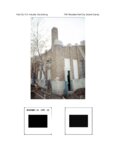
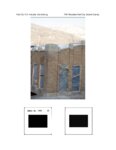
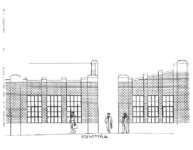
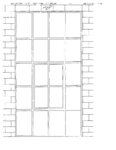
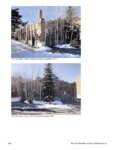
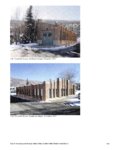
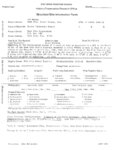
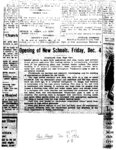
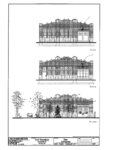
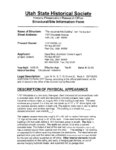
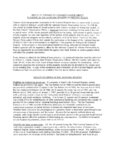
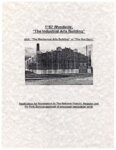
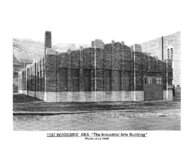
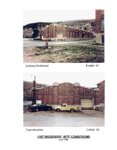
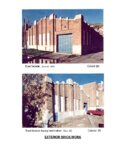
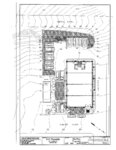
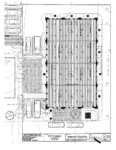
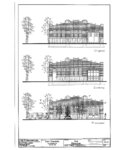
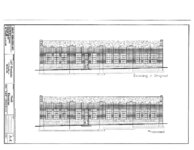
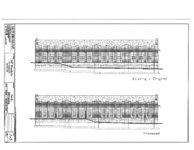
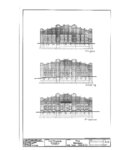
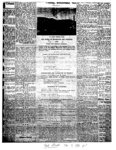
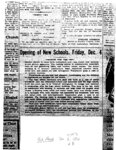
Show roarsac Elementary School ~istory continued: This school building was constructed between 1935 and 1936 as a Public Works Administration (PWA) project and officially opened for students on November 15, 1936. It was formally dedicated on December 4, 1936. The architects were Carl W. Scott and George W. Welch of Salt Lake City, who designed more school buildings during the 1930s than any other Utah firm. Construction of the building was part of a $100,000 building program that the Park City School District undertook in the fall of 1935. Included also in the package was the construction of a new high school mechanical arts building. Scott and WelCh also designed it. Construction on the 2 buildings proceeded at the same time, and they were both dedicated at the same time. The mechanical arts building has since been demolished, though the main high school building, which was constructed in 1926, remains standing. At its dedication the Park City newspaper described tne new r,larsac School as follows: liThe new elementary school contains 24 class room units, 2 general storage rooms, 4 toilet rooms, a boiler plant and coal storage bins. Three of the class room units are devoted to an office suite for principal, nurse and teachers· rest room, and a combination auditorium and playroom. The latter is fitted with small stage with cyclorama and velour curtains and steel folding chairs. Ramps replace stairNays, plaster is accoustic throughout, except ramps which are covered with diatto, all floors are covered with battleship linoleum. This combination of accoustic plaster and battleship linoleum renders the building practically noiseless. Bui1ding;s wired for light, power, fuel, telephone and sound. The latter includes an automatic bell system, operated from a central electric clock, and loud speaker system to serve both auditorium and class rooms, and portable sound picture apparatus. The heating system is automatically controlled both at the generating plant and univent heating outlets. The entire building is of fireproof construction. Steel, reinforced concrete, brick metal lath, and plaster are used throughout. Translucent glass is used in exterior windows. Playgrounds are spacious and adequate. Landscaping and the building approaches are projects for the future." l Approval for funding the building was given at a bond election in Park City on October 19, 1935. Approval was overwhelming: 169 in favor to 12 opposed. Pri or to the constructi on of the school t·\~o 01 der school s, Jefferson ~nd Lincoln, were demolished, and materials from them used in construction of the ne',v. The building's arch i tects, Carl W. Scott and George ~ . We lCh were both Jrominent Utah architects. Scott was born Octo~er 17, 1887 , in Minneapolis, (ansas, and graduated in 1907 from the University of Utah \-l ith a degree in nining. He was given credit for the idea of the concrete 'J " on the hill that is still above the university campus. Follm--ling graduation he began a career in architecture as a draftsman for Richard Kletti ng. In 19l ~ he became Jartners with George W. Welch. Welch was born in Denver, Colorado, on May 15, 1886, graduated from Colorado Colle ge, and came to Salt Lake City to begin ~ork as an architect. Active in political affairs while here, he was a member )f the Utah House of Representatives from 1919 until 1921. Among the )uildings that Scott and Helch designed were Salt Lake City's Elks· Club luilding, South High School, the Masonic Temple, and many public school (See Continuation Sheet) |