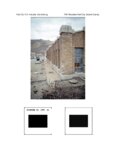
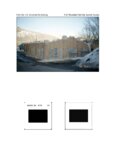
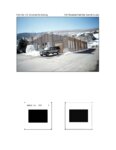
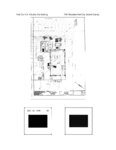
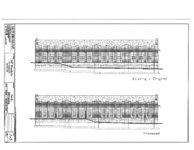
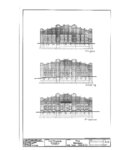
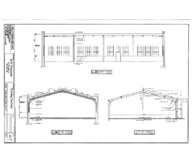
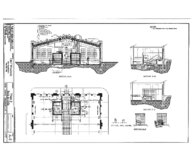
| OCR Text |
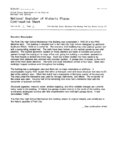
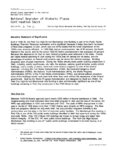
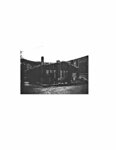
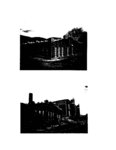
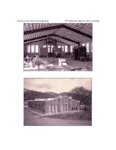
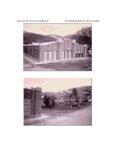
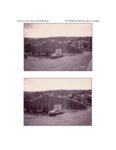
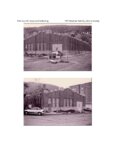
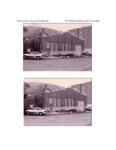
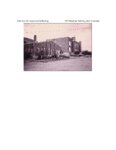
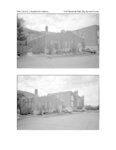
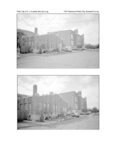
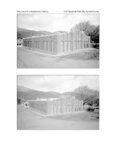
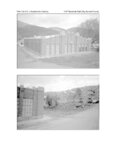
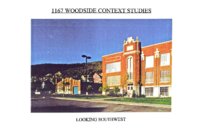
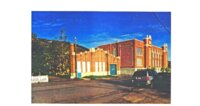
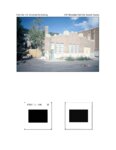
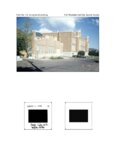
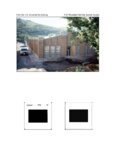
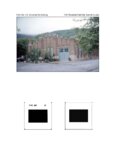
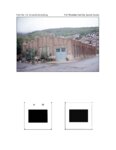
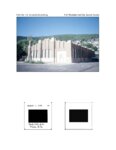
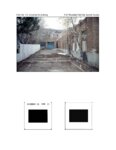
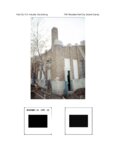
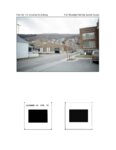
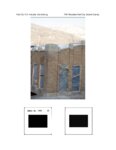
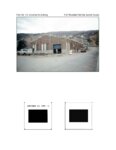
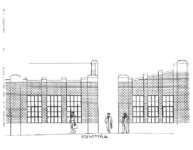
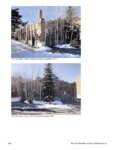
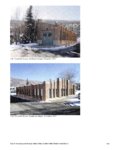
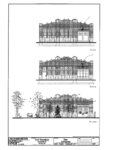
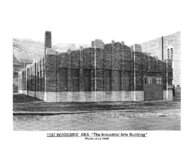
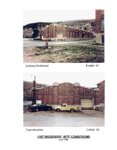
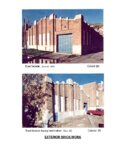
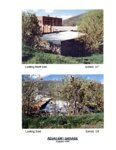
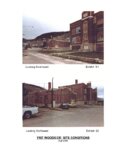
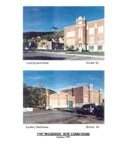
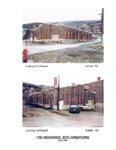
Show HPS Foro 10 ·900 ·, lJtah WordPerfe<t 5 . 1 fonncJt (Rev15t"d reb . 1993) 0I1B No . 10024·0018 United States Department of the Interior National Park Service National Register of Historic Places Continuation Sheet Section No . ~ Page ~ Park City High School Mechanical Arts Buildings, Park Ci ty, Summit County, UT Architecture Art Deco and Art Moderne buildings are the most conspicuous elements of public works architecture but are overshadowed by a large group of buildings constructed in what David Gebhard has called the PWA Moderne style. During the depression years, Gebhard writes, "architects Streamlined Moderne... These buildings were fundamentally classical and formal, but just enough Moderne details were injected to convey a contemporary Moderne feeling as well as the traditional authority of the classical.,,3 The PWA Moderne style combines the formal symmetrical elements of the Classical roots with Art Deco and Art Moderne details such as masonry wall surfaces, metal sash, vertical molded ornamentation, and decorative parapet. Many of these buildings-schools, mechanical arts buildings, city halls-appear at first glance plain and box-like. Upon closer inspection, however, in their rigid symmetry and abstract classicism, they remain fully consistent with the stylistic impulses of the times. 4 The Park City High School Mechanical Arts Building is one of five remaining PWA Moderne style buildings remaining in Park City. Architects Most public works buildings were designed by architects. The most prolific firm was Scott and Welch of Salt Lake City. Carl W. Scott and George W. WelchS were both prominent Utah architects. Scott was born October 17, 1887, in Minneapolis, Kansas, and graduated in 1907 from the University of Utah with a degree in mining. He was given credit for the idea of the concrete "U" that is still above the University of Utah campus. Following graduation he began a career in architecture as a draftsman for Richard Kletting. In 1914 he became partners with George W. Welch. Welch was born in Denver, Colorado, on May 15, 1886, graduated from Colorado College, and came to Salt Lake City to begin work as an architect. Active in political affairs while here, he was a member of the Utah House of Representatives from 1919 until 1921 . Scott and Welch designed the Salt Lake City's Elks' Club Building, South High School, the Masonic Temple, and many public school buildings throughout Utah including Hawthorne Elementary School and Bryant Junior high School in Salt Lake, Park City High School, Tooele High School, Blanding High School and Cedar City Elementary School. They also designed a number of commercial Gebhard, David, et al. A Guide to Architecture in Los Angeles and Southern California, p.703. Public Works Buildings Thematic Resources nomination, listed April 1, 1985. On file at Utah State Historic Preservation Office. A large portion of Scott and Welch drawings are located in Special Collections, Marriott Ubrary, University of Utah, Salt Lake City. L See continuat ion sheets |