| OCR Text |
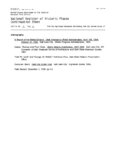
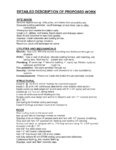
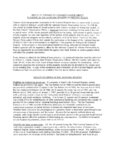
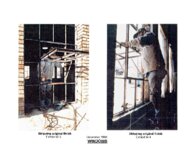
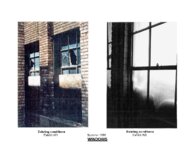
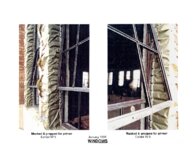
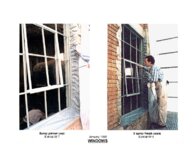
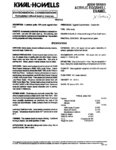
Show Recommended Metal Window Conservation Procedures Procedure Remove dirt and grease Technique Maintain and chemically clean with vacuum and bristle brushes to remove dust and dirt, with solvents (denatured alcohol, mineral spirits) and clean cloths to remove grease. Remove rust and corrosion For light rust and corrosion, manually and mechanically abrade with wire brushes, steel wool, rotary attachments to electric drill , sanding blocks and disks. Wear safety goggles and masks. Chemically clean with anticorrosive jellies and liquids (phosphoric acid preferred)' and clean damp cloths. Protect glass and metal with plastic sheets attached with tape; do not flush with water . Work in ventilated area . For medium rust and corrosion , sandblast with low pressure (80-100 psi) and clean with small gr (#10-#45) or glass peening beads. Pencil blaster gives good control , removes paint and rust: ma\ require environmental compliance . Shield glass and masonry; operator should wear safety gear For heavy rust and corrosion, remove glass and hardware. Chemically dip. Dip metal sections into chemical tank (phosphoric acid preferred) from several hours to 24 hours. Deep -set rust ma remain, but paint will come off. Sandblast at low pressure (80-100 psi) and clean with small grit (#10-#45). Remove or protect glass; prime exposed metal promptly. May require environmental compliance ; wear safety gear. Remove flaking paint Strip with chemicals suitable for ferrous metals; use clean cloths. Protect glass and masonry; do not flush with water. Provide good ventilation and protection for operator. Mechanically abrade with pneumatic needle gun, chisels, sanding disks. Align bent, bowed metal sections Remove glass in affected area. Apply pressure with wooden frame as a brace for cables and winch mechanism . Realignment may take several days. Remove to a workshop. Apply pressure and heat to bend back. Care should be taken that heat does not deform slender sections. Pa!ch depressions Apply epoxy and steel filler (plumber's epoxy or auto body patching compound) and sand smooth. Patches should be primed. Weld patches using steel rods and oxyacetylene torch or arc welder. Prime welded sections after grinding connections smooth. Splice in new metal sections Cut out decayed sections and weld in new or salvaged sections; torch to cut out bad sections back to 45· joint. Weld in new pieces and grind smooth; prime welded sections after grinding connections smooth. Prime metal sections Brush or spray application of at least one coat of anticorrosive primer on bare metal. Zinc-rich primers are generally recommended. Metal should be primed as soon as it is exposed. Replace missing screws and bolts Routinely maintain. Clean, lubricate. or replace hinges Routinely maintain and clean with solvent suitable for bronze or other hardware-appropriate metal. Use solvents (mineral spirits)' bronze wool, and clean cloths. Replace glass and glazing compounds Apply through standard methods. Caulk masonry surrounds Apply through standard methods with high-quality elastomeric caulking compound for metal. Repaint metal windows Spray or brush with at least two coats of paint compatible with anticorrosive primer. Paint shoulc lap the glass about l/6-inch to form a seal over the glazing compound . ARCHITF.cnJRE I NO\'E~ISER |