| OCR Text |
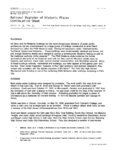
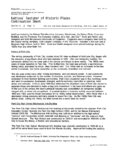
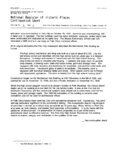
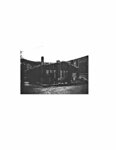
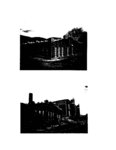
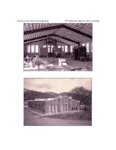
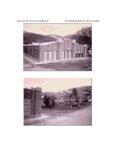
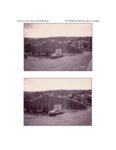
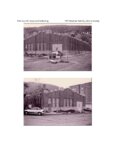
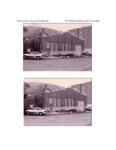
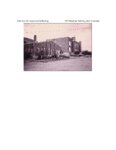
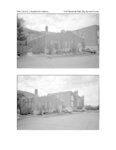
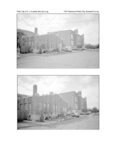
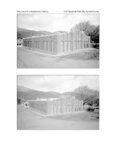
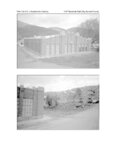
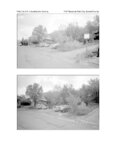
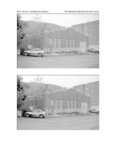
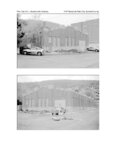
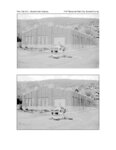
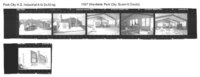
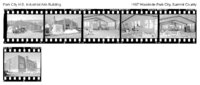
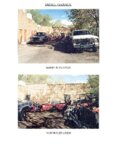
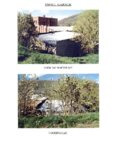
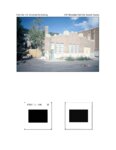
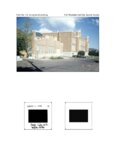
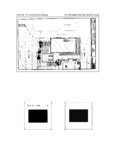
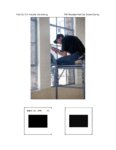
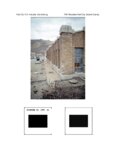
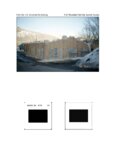
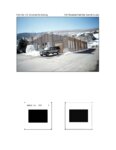
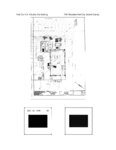
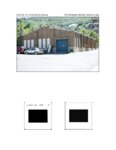
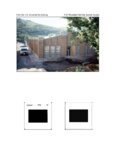
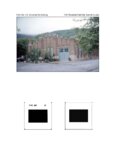
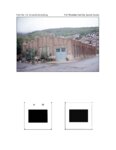
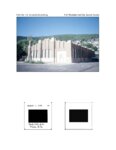
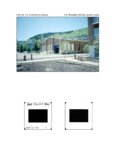
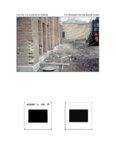
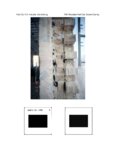
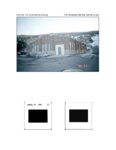
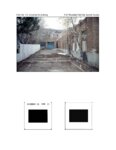
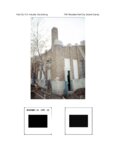
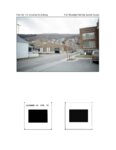
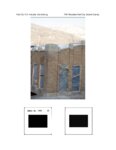
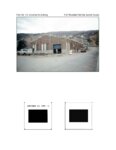
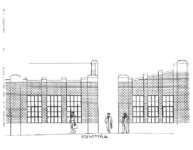
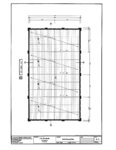
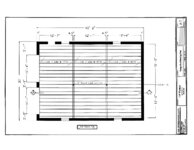
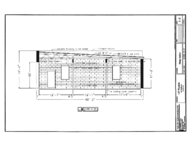
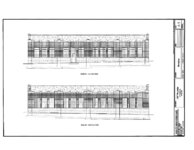
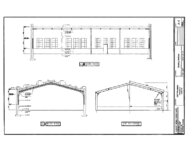
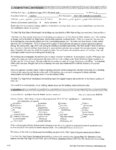
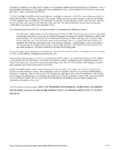
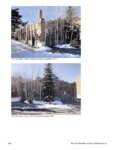
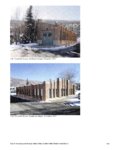
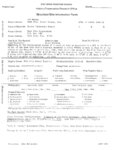
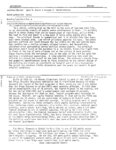
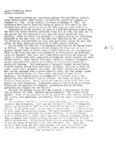
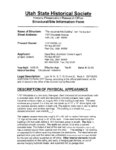
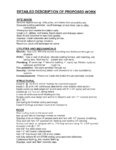
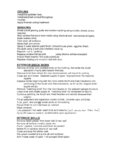
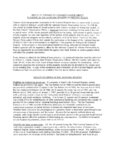
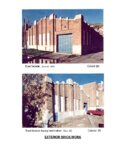
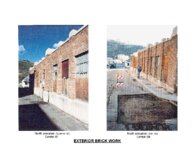
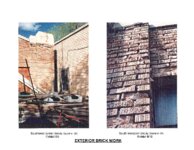
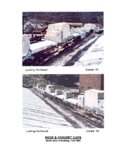
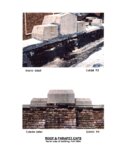
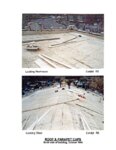
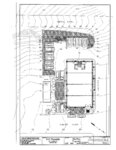
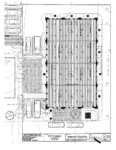
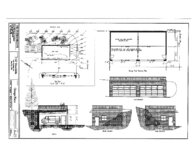
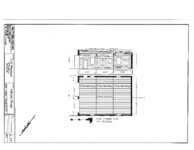
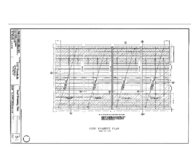
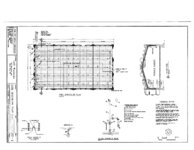
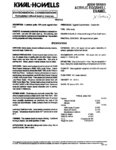
Show THE ROOF Photo Ref: R1-6, G-7 FEATURE # 6 Drawing Ref: A1-10 Aprx. Date: 1936 Existing condition: The Roof is a 3.3 to 12 gabled roof contained on all edges by a low parapet with interior drains. The roof is of roll asphalt sheeting and is in extremely poor condition. Failed, inadequately sized drains and roof membrane deterioration have allowed water not only into the building, but into the exterior walls as well. Ongoing attempts to patch the roof and reroute drains are evident. Proposed work: Strip roofing down to the original 1 by 8 wood decking. Rebuild drainage crickets for two drains per side. Stabilize brick on interior of parapet walls and face with 1/2" plywood sheathing. Glue and nail new 1/2" plywood roof decking over existing 4/4 decking. Anchor roof deck to parapets with LL 119 strap anchors using 12" x 3/4" threaded rods epxoied @ 2' OC. Add 5/8" fire rated sheet rock. Add 1.5" ISO board underlayment. Add 1/2" fiber board with 1-90 anchor plates. Add fully adhere 60 mil EPDM roofing using approved adhesives Continuous flashing, and counter flashing, FEATURE # 7 CONCRETE CAPS Photo Ref: R1-6, S6,8,12, B1,2,9 Drawing Ref: A1-10 Aprx. Date: 1936 Existing condition: The concrete caps are in good condition but need considerable attention. 1" gaps between the cap pieces allow easy water infiltration. Failed mortar bonds between the caps and the wall beneath them leave these elements subject to "falling off" the building. The caps are aged with soot but have few cracks and surface spalling. Proposed work: Repair and stabilize deteriorated brick parapets under concrete caps. Where possible, lift caps and remortar or inject epoxy adhesive. Caulk gaps between cap elements Apply continuous, articulated sheet metal caps detailed in a manner as to: Not be visible from any public right of way. Tie the separate cap elements together into a unified system. Minimize any opportunity for future water infiltration. Clean surface dirt off with garden hose and natural bristle brush. |