| OCR Text |
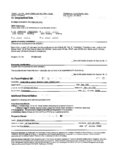
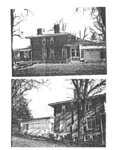
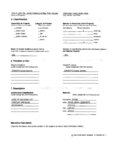
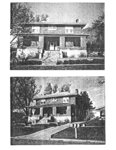
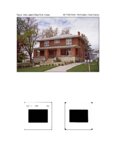
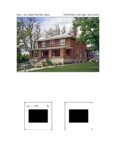
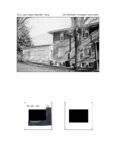
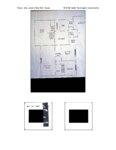
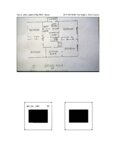
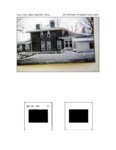
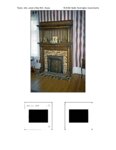
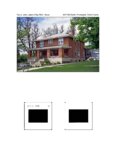
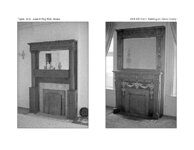
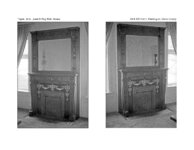
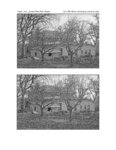
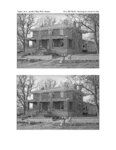
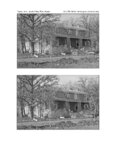
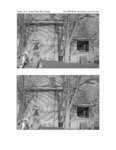
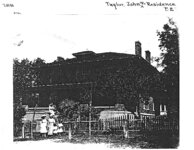
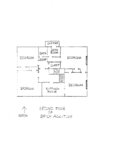
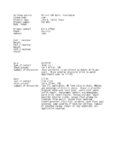
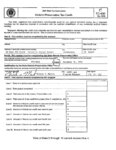
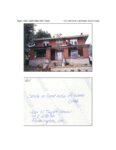
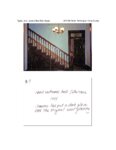
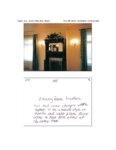
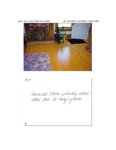
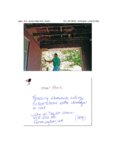
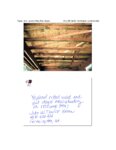
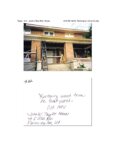
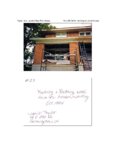
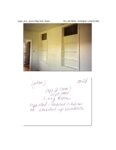
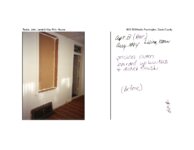
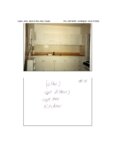
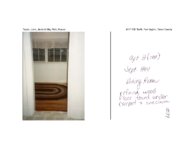
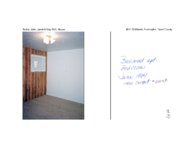
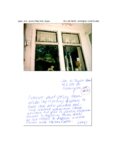
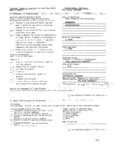
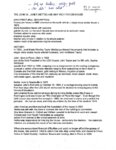
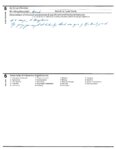
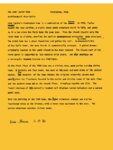
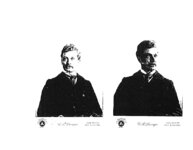
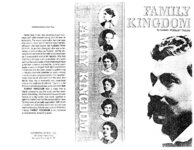
Show This text message is used to keep the image from rotating in ocr process. Be sure to crop the top .25" off after the ocr process. Utah Historic Preservation Tax Credit Application Part 1 - Evaluation of Historic Significance Property name 5. East 500 North, Farmington, Utah Description of physical appearance instructions: [This section Is not required If the building has been recently listed In the National Register and no significant changes have been made since listing.] Describe the major features of the building on both the exterior and Interior. Provide current photographs of the building showing all sides and Important Interior features. Describe any significant features, details or changes (e.g., specific materials, historic v. non-hlstorlc, etc.) that are not readily apparent In the photos. John W. Taylor purchased a single story, adobe home built about 1878 and began adding a 2 story, box-style addition to the front of the adobe structure in aOOut 1900. The brick addition has a stone foundation layed by John W. Taylor Himself. It has a gabled, hip roof with asphalt shingles. Originally, it appears from earlier photos that the roof was not gabled,with less pitch and there was a dormer on the south side of the wood shake roof which has been removed. The hipped roof of the large front porch is supported by four mas~ive,brick pillars. The main entrance has a six panel door with Colonial Revival Style, dianond pane side lights with lead glass transoms aOOve. The main floor has a large entrance hall with staircase, parlor, large drawing room with 2 sets of pocket doors, and a dining room. Upstairs are 4 large bedrooms, 2 baths and a sitting room. The upstairs floor plan ' appears to have been changed at one time to accorrnitodate apartments. The home retains 5 original wood fireplace mantels with tile. They are located in the parlor, drawing room, dining room and in 2 of the bedrooms on the east side of the second floor. The fireplace in the dining room is very ornate, carved oak with lion heads and serpents. With the building of the addition in 1900, the original adobe(cont.l Date of construction 1878 & 19090urce of Information Farmington City Abstracts-Book F« Page 86 Dlite(s),of alterations (note alterations) ________A_d_d_i_t_i_o_n_-_Da_v_i_s_CO_._B_Ul._·_I_di_'_n_g_p_ernu __ ' t_-_2_4_2_ _ Has the building been moved?.llQ... a: Propertyaddress 49 John W. Taylor If so, when, why, and from where? _ _ _ _ _ _ _ _ _ _ _ _ _ _ _ _ _ __ Photos # 1-17 Statement of significance . Instructions: [This section Is not required if the building is already listed Individually in the National Register of HistoriC Places or Is a contributing building in a National Regi~ter historic district. It can also be left blank if a complete Intensive Level Surveyor draft NatiOnal Register nomination is being submitted concurrently.] Summarize the historic or architectural significance of the building. Briefly describe the history of the building, listing related significant historic Individuals, events, or contexts, detailing the period(s) of significance and providing comparative information to Justify the significance of the property. The John W. & Jannette Woolley Taylor home is significant as one of their residence and of their unique place in Utah and Monnon history. John purchased the home for his third wife, Jannette Maria "Nettie" Woolley Taylor. His first wife, May Rich Taylor, owned the home from pec. 20, 1909 to June 15, 1920 and may have lived here at that time. John W. Taylor was a member of the Council of the Twelve Apostles of the L.D.S. church from 1884 Until 1905 when he resigned. The principle of plural marriage was the reason for his resignation. Taylor was also active in political affairs in Utah. His business interests spread from Canada to Mexico. This home is an important piece in 'understanding the puzzle of John W. Taylor's life, the dedication of his 6 wives and 36 children and his strong beliefs. D See attached continuation sheets. End of Part 1 Application |